Orions Fashion
Orions Fashion
Orions Fashion
Exploring the macro trends driving safety, compliance, and material engineering in the water sports equipment supply chain.
For European and North American markets, Stand-Up Paddleboarding (SUP) accessories—including life jackets, non-slip protective shoes, and leash components—fall under the Personal Protective Equipment (PPE) Regulation (EU) 2016/425. Sourcing from factories that dynamically implement CE certifications guarantees chemical safety (REACH compliance), physical tear strength, and slip resistance coefficients that withstand saline environments.
Modern suppliers utilize hydrophobic Flyknit and PU injection materials to ensure products do not absorb water, keeping structural weights minimal during usage. For paddleboarding shoe ranges, maintaining a dry-weight to wet-weight ratio close to 1:1.1 is critical for athlete performance and stability on unstable board surfaces.
Paddleboards (particularly epoxy and fiberglass constructions) are highly vulnerable to scuffing. Utilizing vulcanized rubber compounds with zero-marking technology prevents board damage while delivering superior wet-grip coefficient (COF > 0.6 on wet plastic or fiberglass surfaces).
How procurement officers mitigate risk when choosing manufacturing partners for water sports and outdoor footwear lines.
Enterprise buyers require end-to-end transparency. Standardized suppliers are audited under BSCI (Business Social Compliance Initiative) and Sedex frameworks. This ensures that every component—from the high-tensile polyester fibers used in Flyknit knitting to the polyurethane granules in injection molding lines—is processed in safe working conditions without environmental degradation.
Brand differentiation is driven by proprietary aesthetics and performance geometries. A manufacturing partner must offer robust CAD/CAM modeling capabilities, allowing brands to mold custom logos, implement specialized hot-stamping designs, and customize sole patterns optimized for Stand-Up Paddleboard decks.
Seasonal retail demand requires agile production scheduling. Factories based in established regional hubs, like Quanzhou, Fujian Province, benefit from dense auxiliary component supply chains, reducing standard sampling times down to 7–10 days and bulk production down to 35–45 days.
AQL (Acceptable Quality Level) 1.5/4.0 standards are the baseline for international sporting goods retailers. Inline testing protocols for tensile strength, flexing resistance, and adhesive bonding are essential to prevent product recalls in high-liability marine environments.
Comprehensive overview of our partnering manufacturing entity specializing in high-performance lifestyle and outdoor products.
ABOUT QUANZHOU ORIONS FASHION CO., LTD.
Quanzhou Orions Fashion Co., Ltd. is a professional manufacturer and exporter specializing in the design, development, production, and sales of footwear, apparel, and fashion accessories. Located in Quanzhou, Fujian Province—one of China's most renowned footwear and garment manufacturing hubs—the company has established a strong reputation for delivering high-quality products and reliable services to customers worldwide.
With years of industry experience, Orions Fashion has developed into a modern enterprise integrating product research and development, manufacturing, quality control, and international trade. The company is equipped with advanced production facilities, efficient management systems, and a highly skilled workforce dedicated to innovation, craftsmanship, and customer satisfaction.
Our product portfolio includes sports shoes, casual shoes, outdoor footwear, children's footwear, fashion apparel, and various accessories, catering to diverse market demands across Europe, North America, South America, the Middle East, and Asia-Pacific regions. By combining contemporary design concepts with strict quality standards, we continuously provide products that meet international market requirements and consumer expectations.
Quality is at the core of everything we do. Orions Fashion implements comprehensive quality control procedures throughout the entire production process, from raw material sourcing to final inspection. The company works closely with trusted suppliers and manufacturing partners to ensure product consistency, durability, and compliance with international standards.
In addition to manufacturing excellence, Orions Fashion places great emphasis on sustainability, innovation, and long-term partnerships. We continuously improve our operational efficiency, environmental awareness, and product development capabilities to create greater value for our customers and business partners.
Driven by professionalism, integrity, and a customer-oriented philosophy, Quanzhou Orions Fashion Co., Ltd. remains committed to becoming a trusted global supplier in the fashion and footwear industry. We warmly welcome clients from around the world to establish mutually beneficial cooperation and grow together for a successful future.
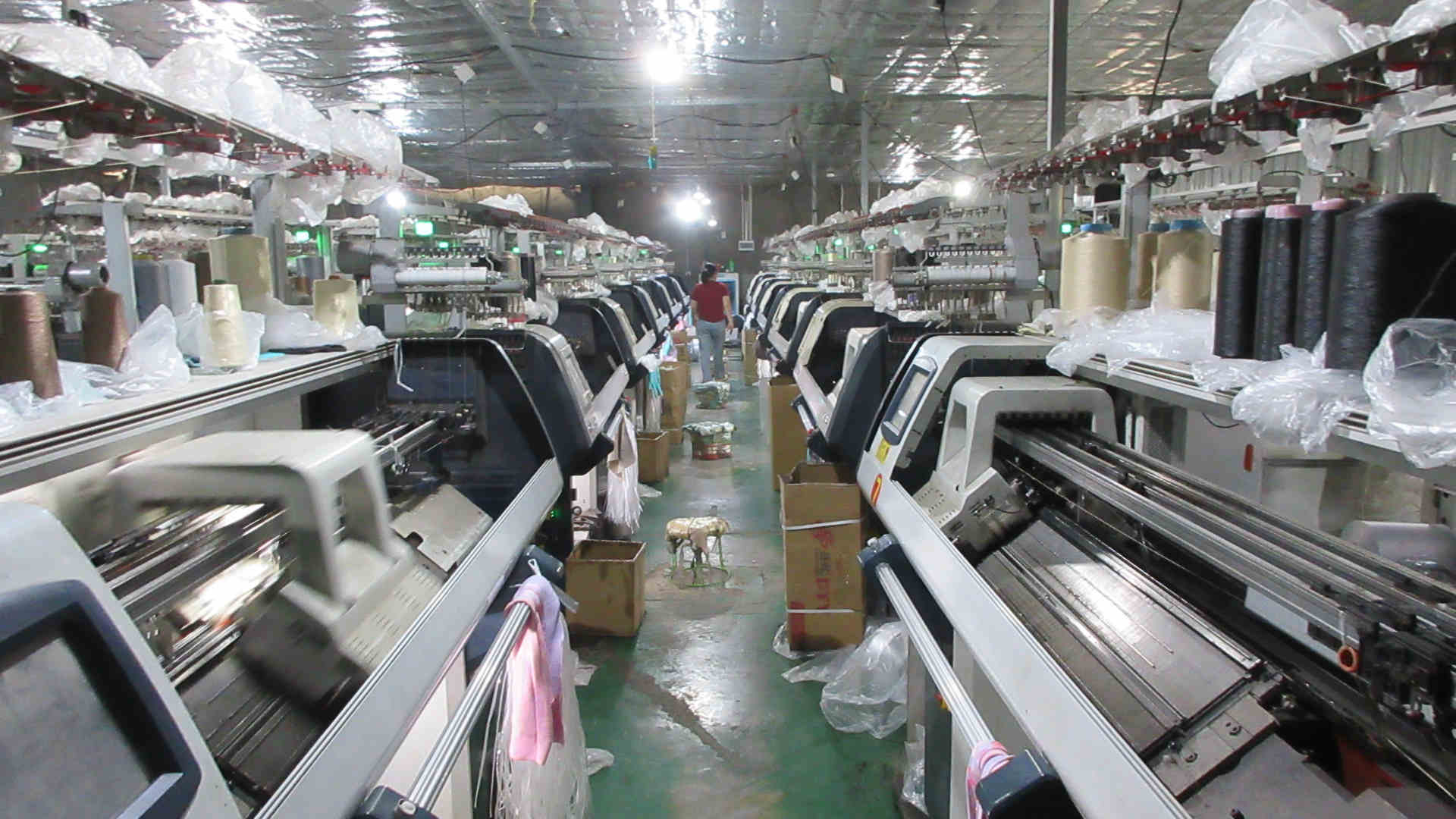
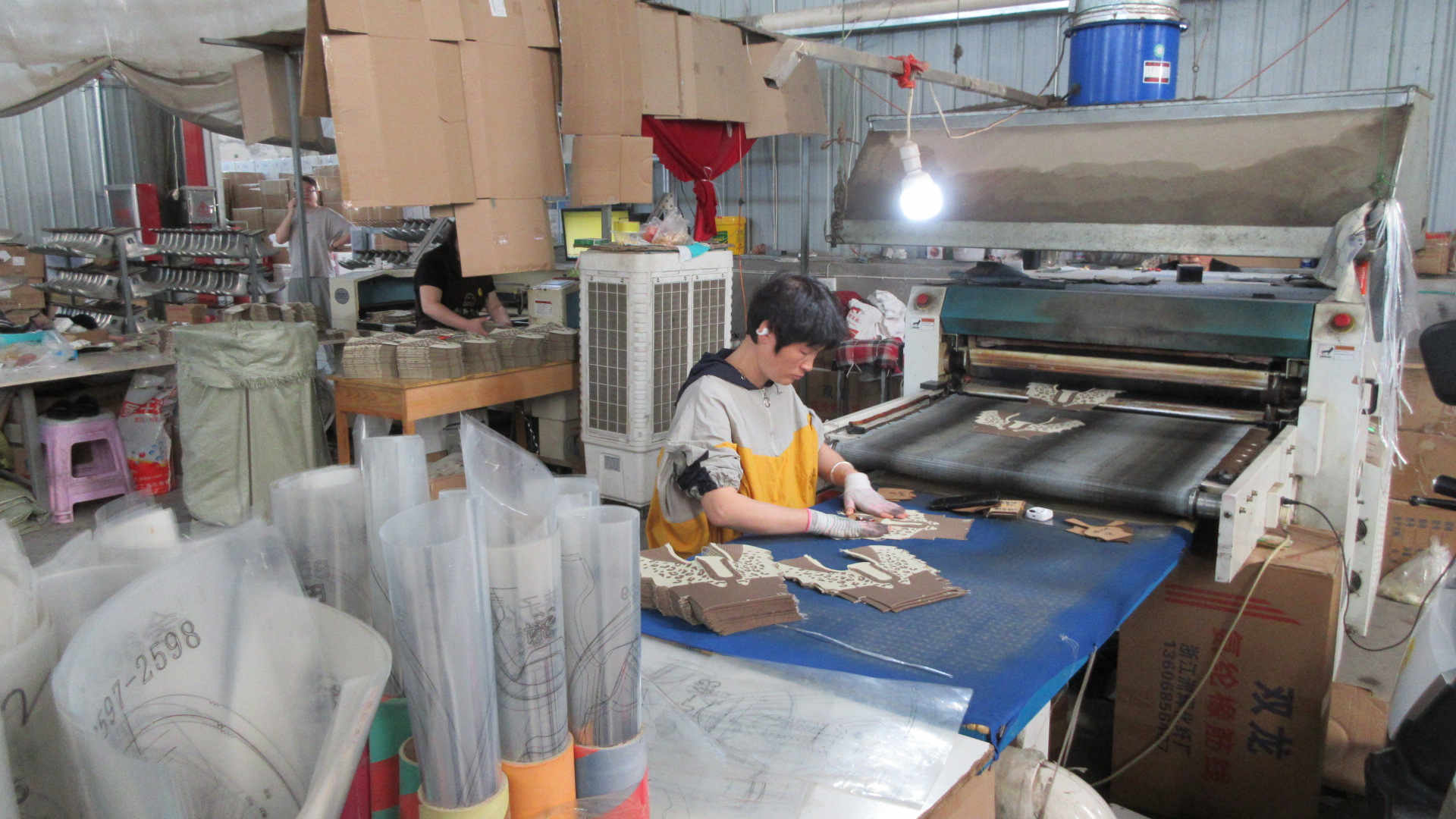
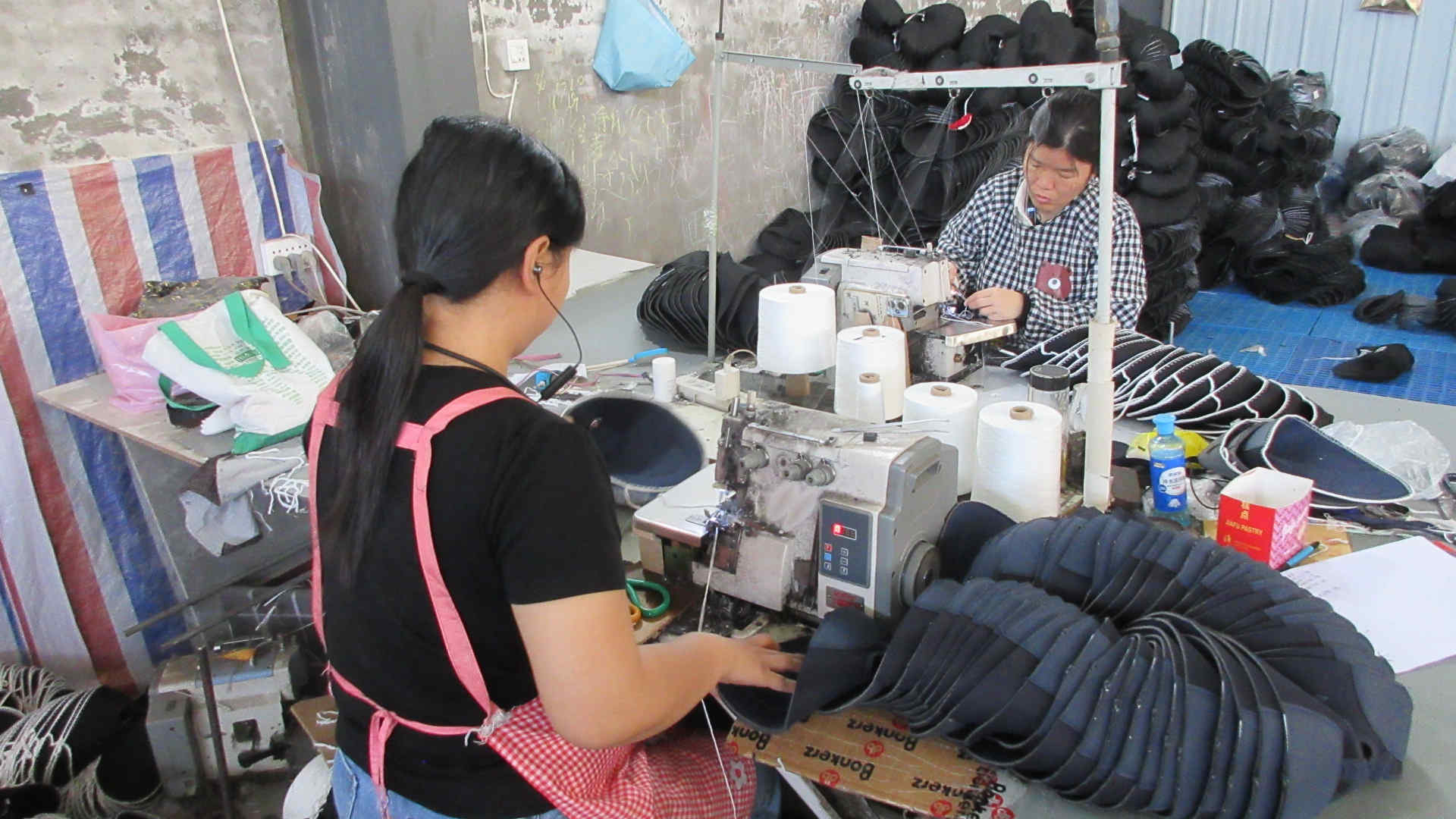
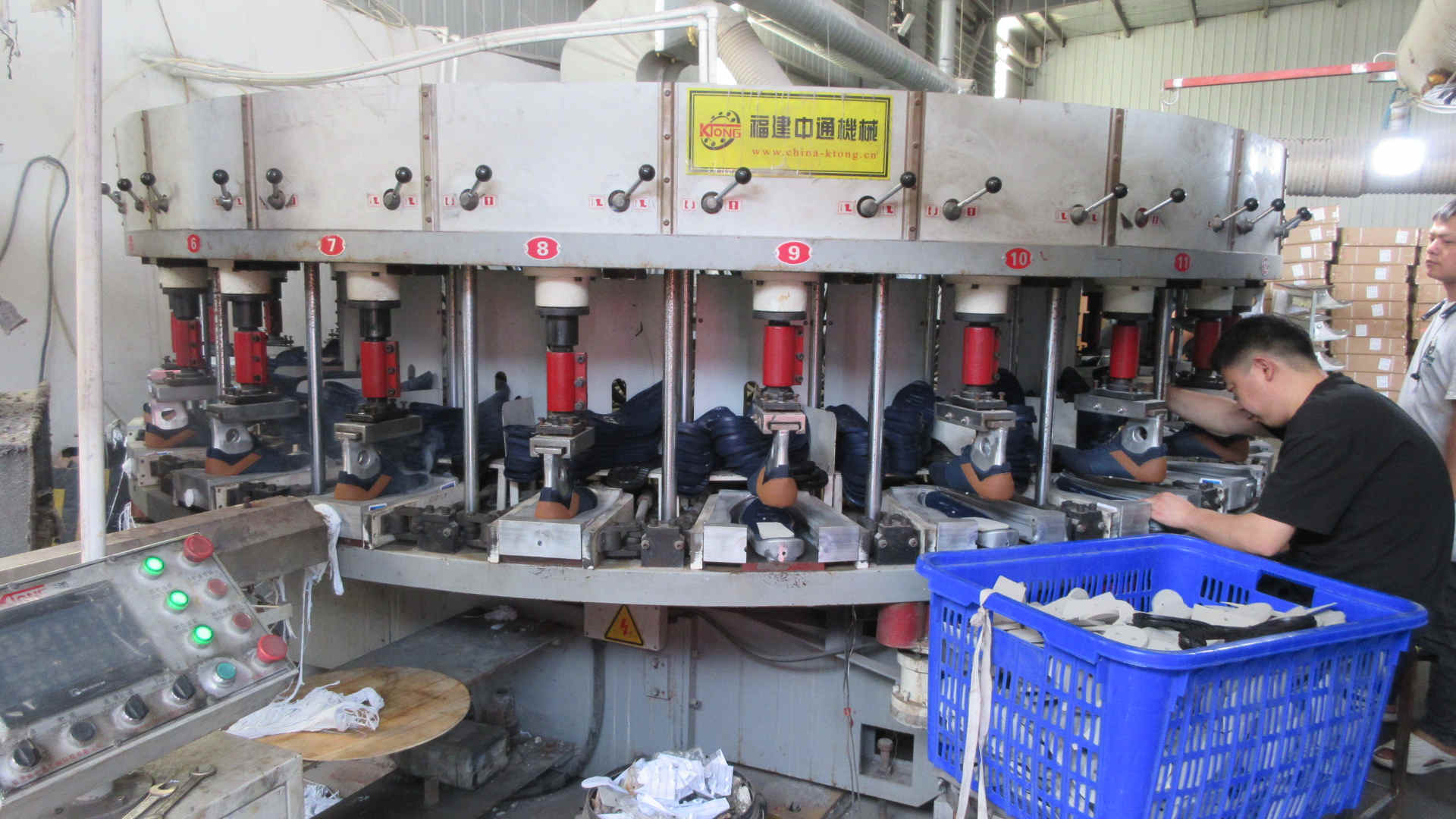
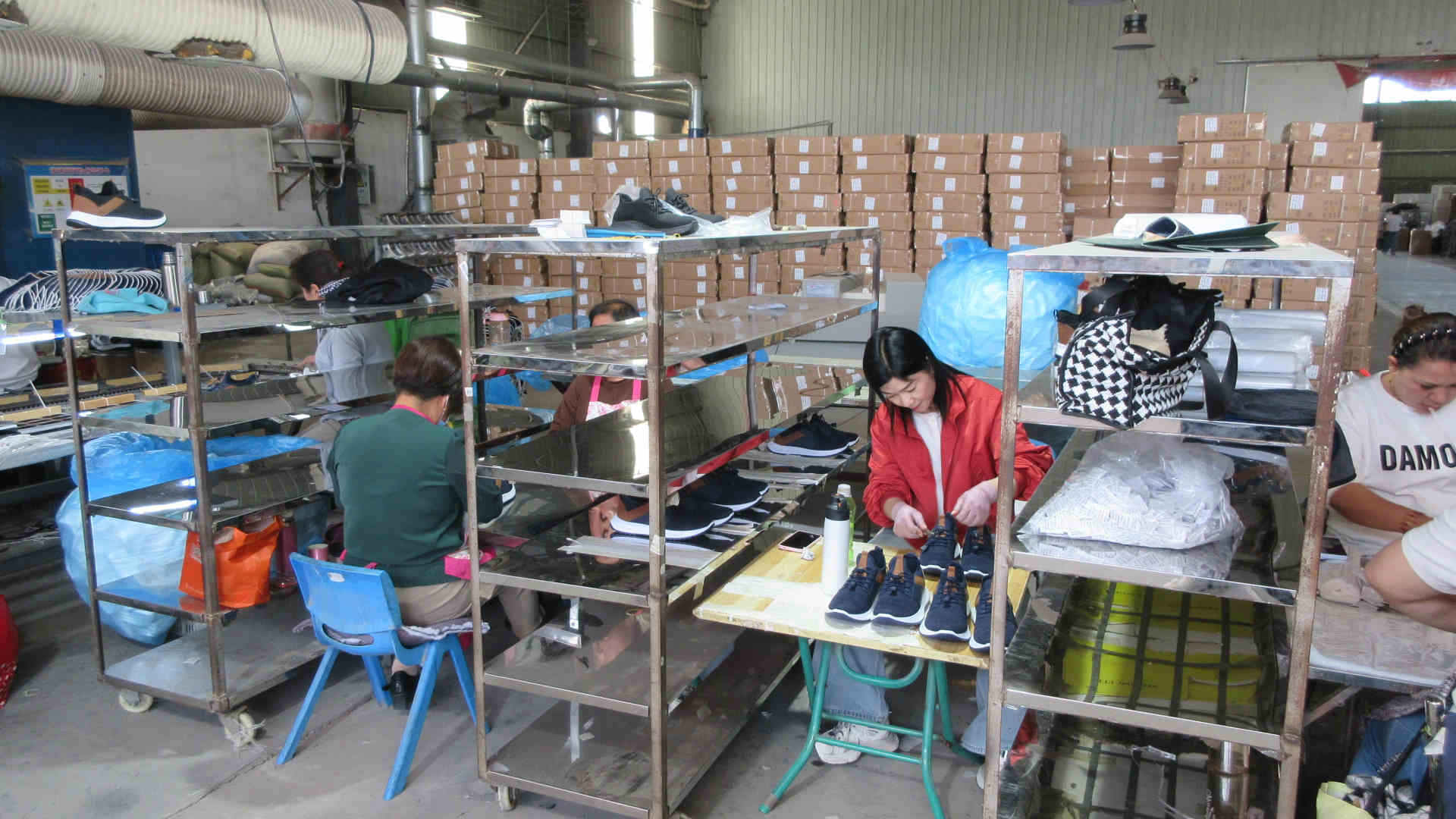
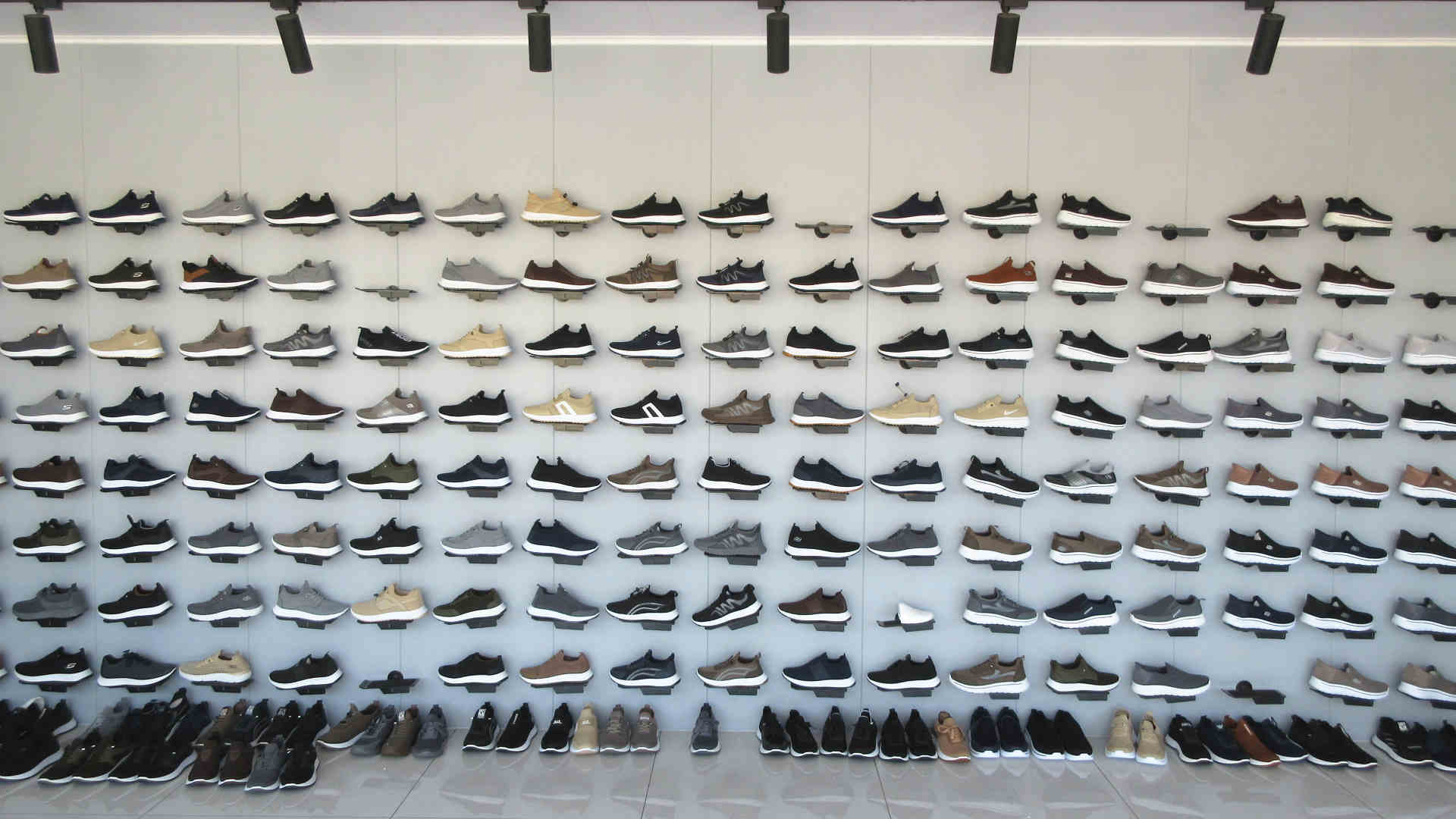
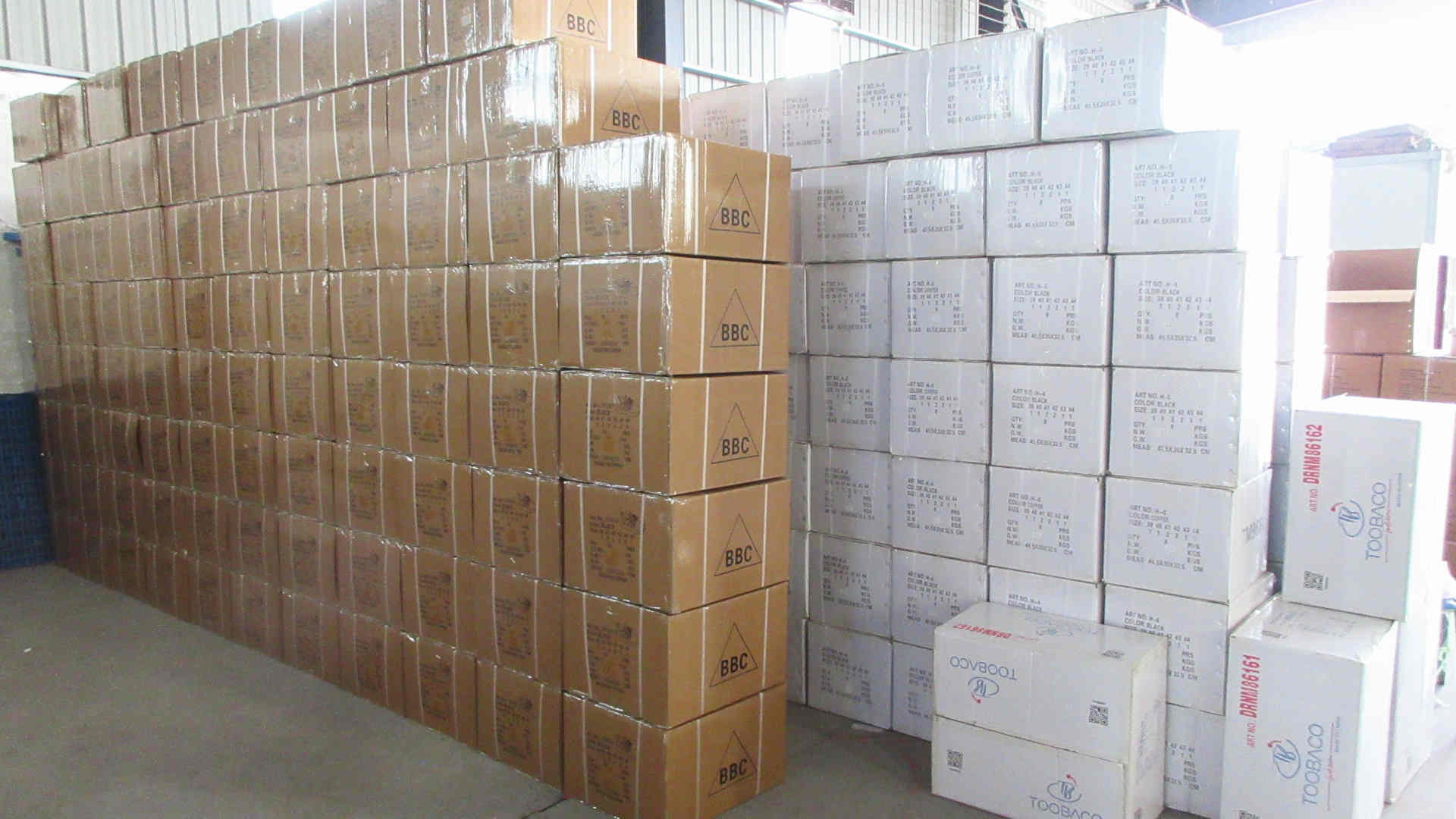
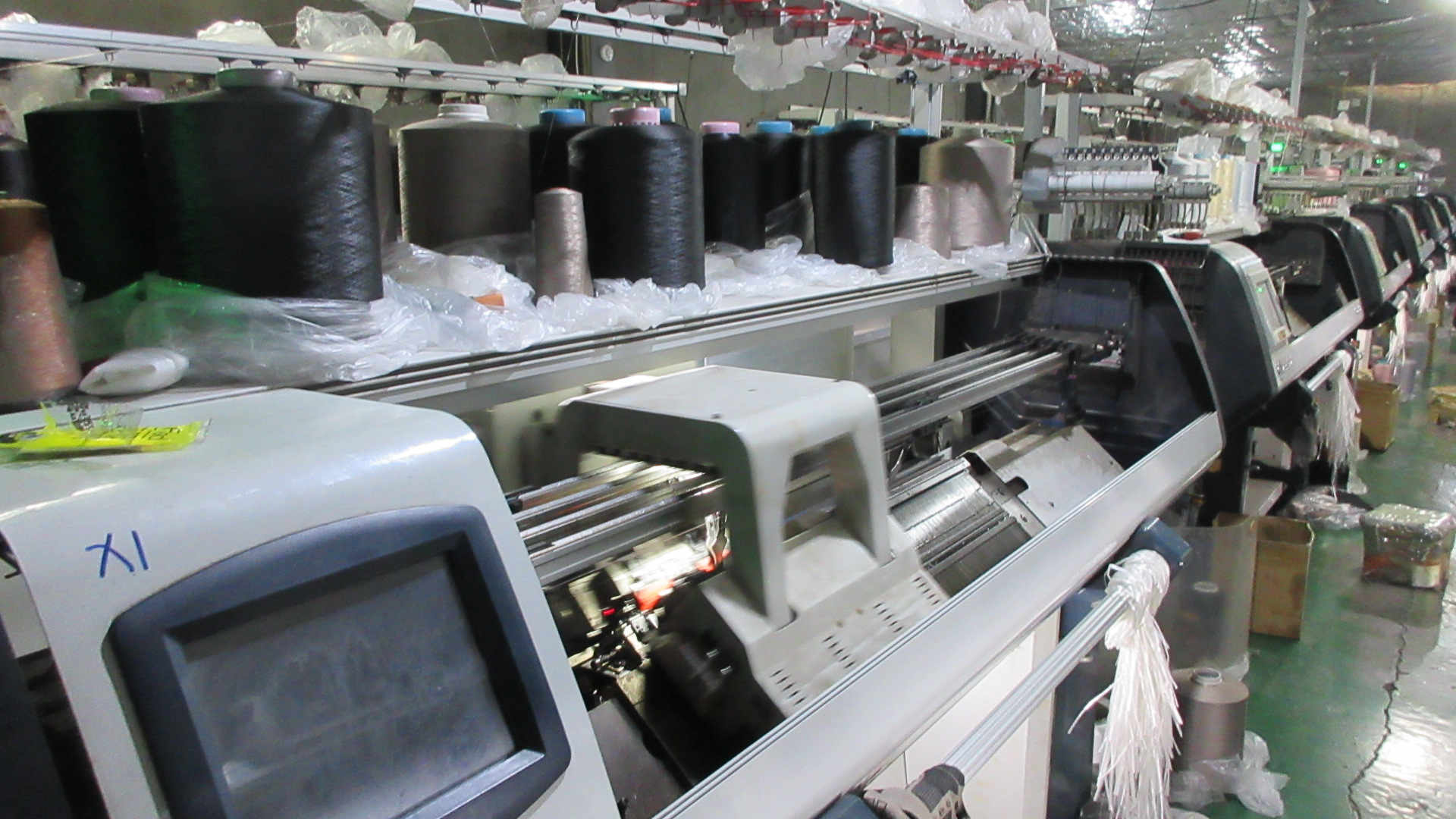
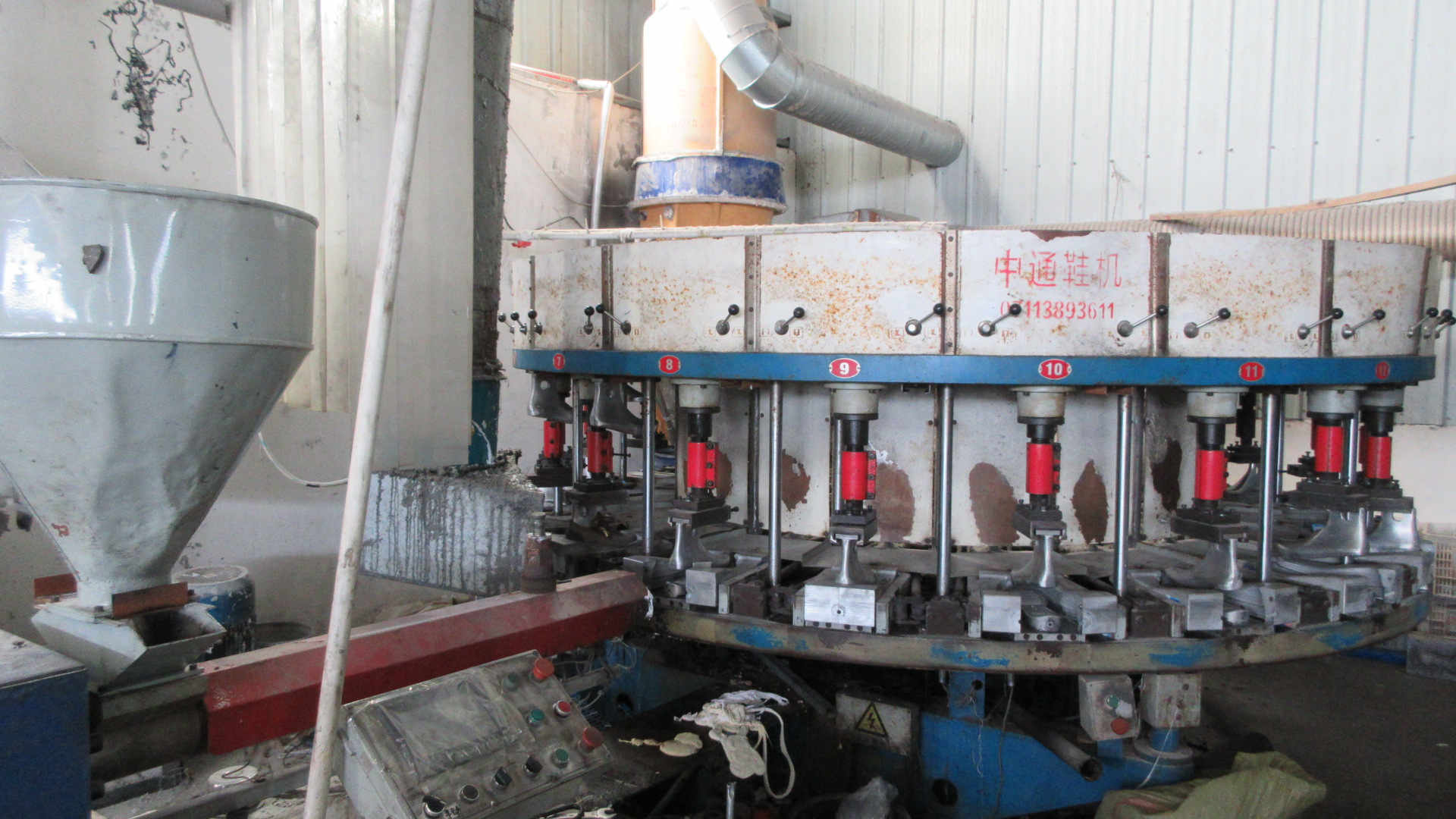
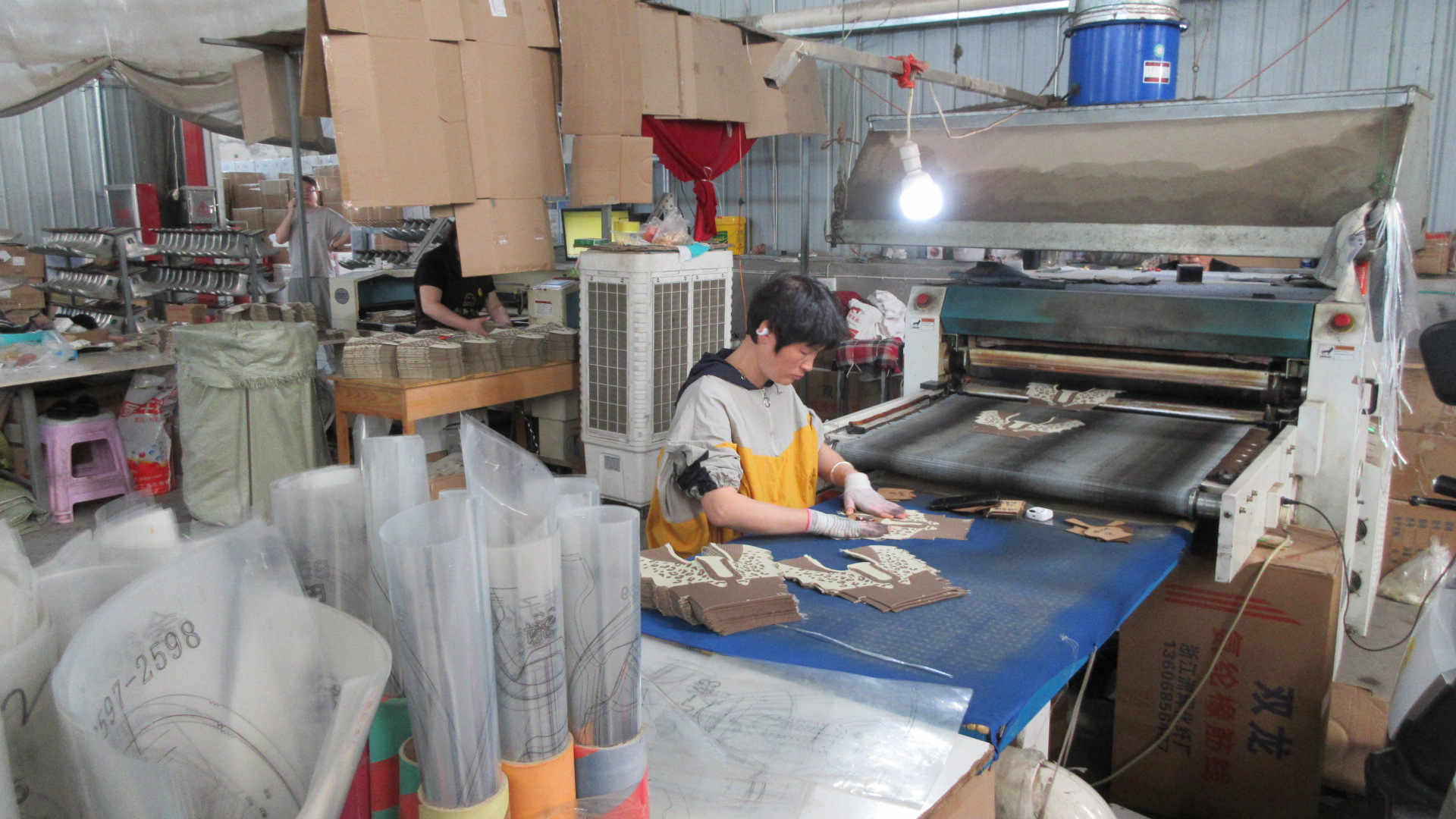
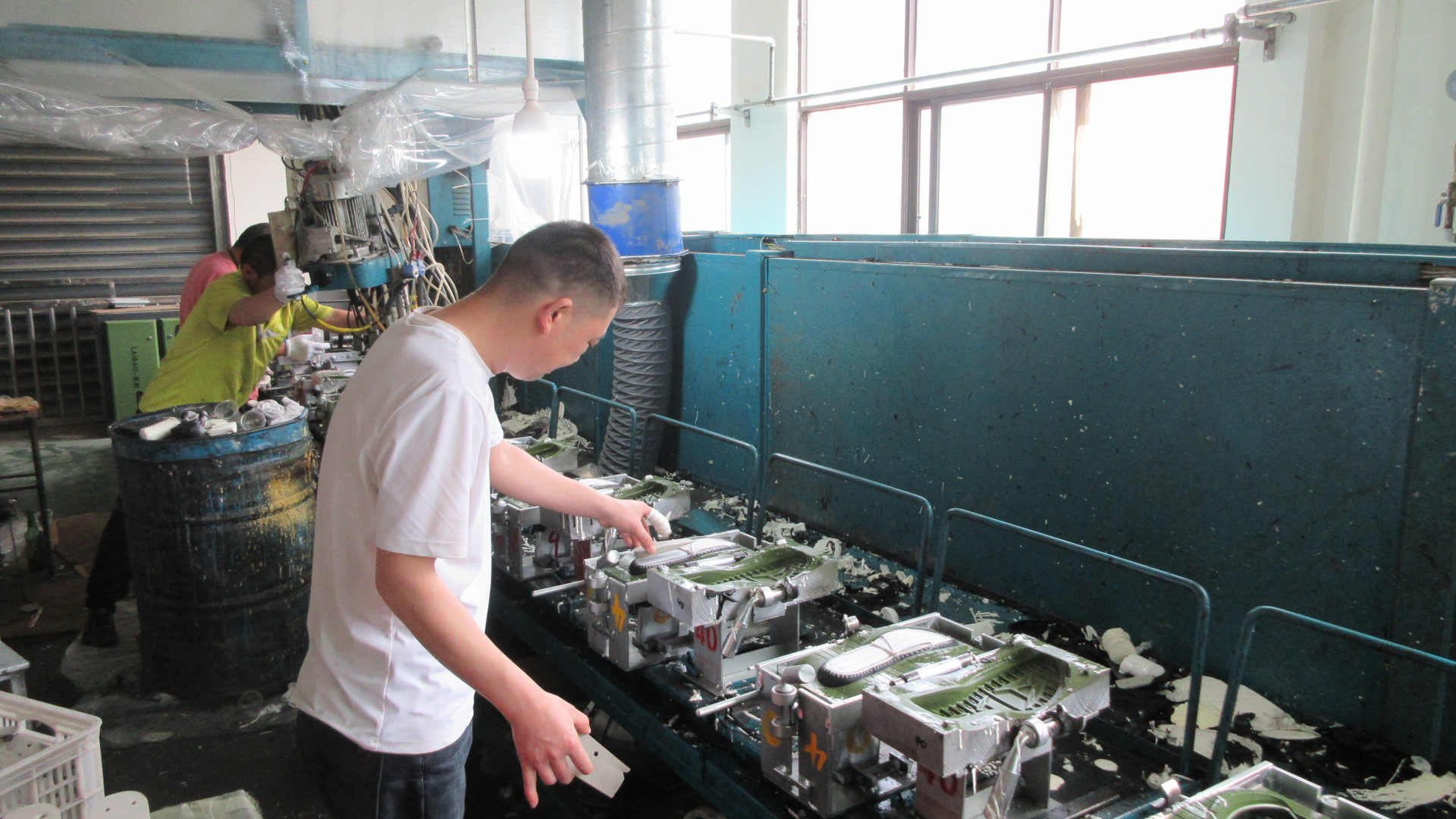
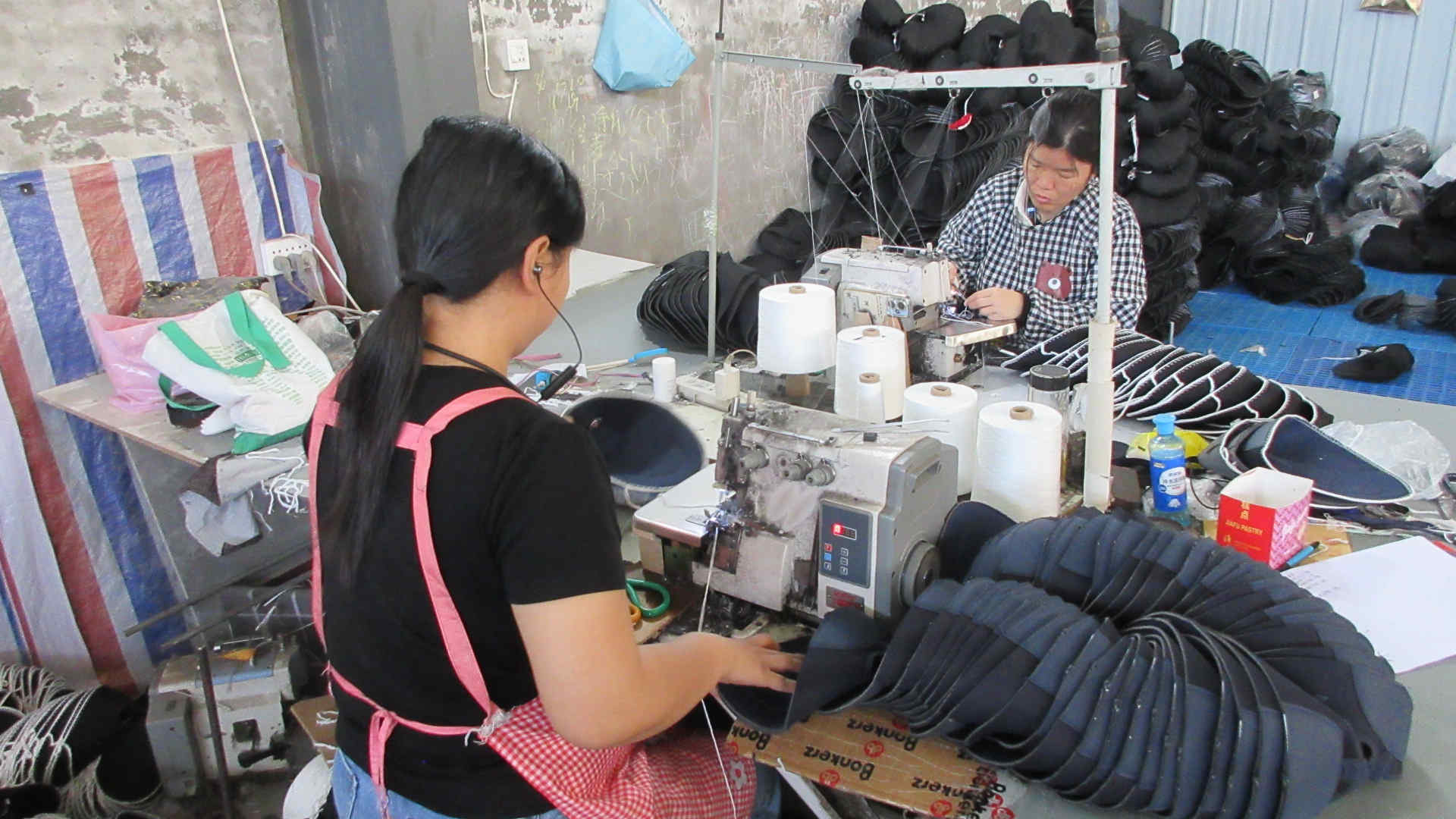
How our integrated raw-material-to-logistics process streamlines operations and lowers overheads for international marine outdoor retail brands.
By localizing our supply matrix inside Quanzhou, our factory leverages close relations with leading yarn extrusion facilities and high-purity polyurethane manufacturers. This ensures raw material volatility is mitigated, protecting your margins from supply fluctuations.
All fabrics, adhesives, and pigments undergo strict testing against hazardous substance lists. This step guarantees that final products successfully pass global ecological tests such as Oeko-Tex Standard 100, minimizing chemical rejection rates at destination ports.
Using state-of-the-art Flyknit and PU injection machinery minimizes human error. Precise automated stitch patterns deliver consistent structural support and flexing characteristics, essential for gear intended to protect users on long water excursions.
Navigating regional safety standards, importing customs, and distribution compliance protocols.
For outdoor marine sports gears to be successfully imported and marketed in different economic zones, specific regional testing parameters must be fulfilled:
Our production process includes tailored packaging options designed for sea, air, and train freight. By incorporating high-performance moisture-absorbing silica packets, anti-molding treatments, and thick corrugated cartons, your product line is safeguarded from extreme humidity changes during maritime transit.
Aligning development goals with the evolving expectations of global sports equipment markets from 2025 to 2030.
Answers to essential questions regarding manufacturing, global compliance, and quality control.
To achieve CE certification, water sports footwear and associated gear are subjected to mechanical testing. This includes assessment of tensile strength, material tearing limits, anti-microbial resistance, and slip-resistance metrics on water-drenched substrates. A designated Notified Body audits the manufacturing facilities and issues the certificates verifying that the products meet the safety criteria outlined in Personal Protective Equipment (PPE) Regulation (EU) 2016/425.
Marine environment components undergo rigorous salt-fog testing. Advanced manufacturers utilize corrosion-resistant composite buckles, salt-water-compatible thread, and specially formulated polyurethane polymers that do not hydrolyze or lose structural strength when exposed to high-salinity seawater over extended periods.
For custom sports footwear lines featuring proprietary colors, sizing grids, and custom sole patterns, MOQs typically range from 1,000 to 1,500 pairs per colorway. However, for products utilizing open-source molds with customized branding elements like hot-stamping or screen printing, MOQs can be reduced to 500 pairs per style.
We follow a multi-stage testing procedure. Standard operations involve raw material screening before they enter production lines, inline inspections at critical assembly phases (including Flyknit knitting, overlock stitching, and injection molding), followed by final visual inspection, tensile bonding tests, and random weight audits prior to packing.
Buyers can select sustainable options, including post-consumer recycled (PCR) polyester yarns, water-based, solvent-free adhesives that emit no VOCs, and biodegradable packaging designs. Standard production runs prioritize energy efficiency, using advanced machinery such as servo-controlled injection molding presses to minimize energy waste.