Orions Fashion
Orions Fashion
Orions Fashion
The global tactical footwear market has evolved from supplying strictly military departments to meeting complex requirements across law enforcement, private security, heavy industrial utility, outdoor adventure, and specialized fitness. High-spec tactical boots are no longer simple protective gear; they are precision-engineered kinetic platforms designed to support complex skeletal loads under extreme environmental conditions.
Modern tactical footwear manufacturers face strict international standards. Whether shipping to NATO-aligned defence agencies or commercial law enforcement distributors, products must satisfy mechanical properties defined by standardizing bodies like the International Organization for Standardization (ISO), the American Society for Testing and Materials (ASTM), and European CE directives. Factors like chemical resistance, thermal insulation, anti-static discharge, and slip resistance on complex surfaces are critical considerations for raw materials and assembly lines.
Designed for oil, gas, and advanced manufacturing sectors. Prevents electrostatic accumulation that could cause catastrophic ignition of volatile vapors or damage sensitive electronics.
Polyurethane (PU) and dual-density EVA midsoles are optimized to dissipate heel-strike energy, reducing user fatigue during long shifts under heavy loads.
Breathable, waterproof membranes engineered to repel external liquid molecules while allowing evaporated sweat to escape, preventing moisture build-up.
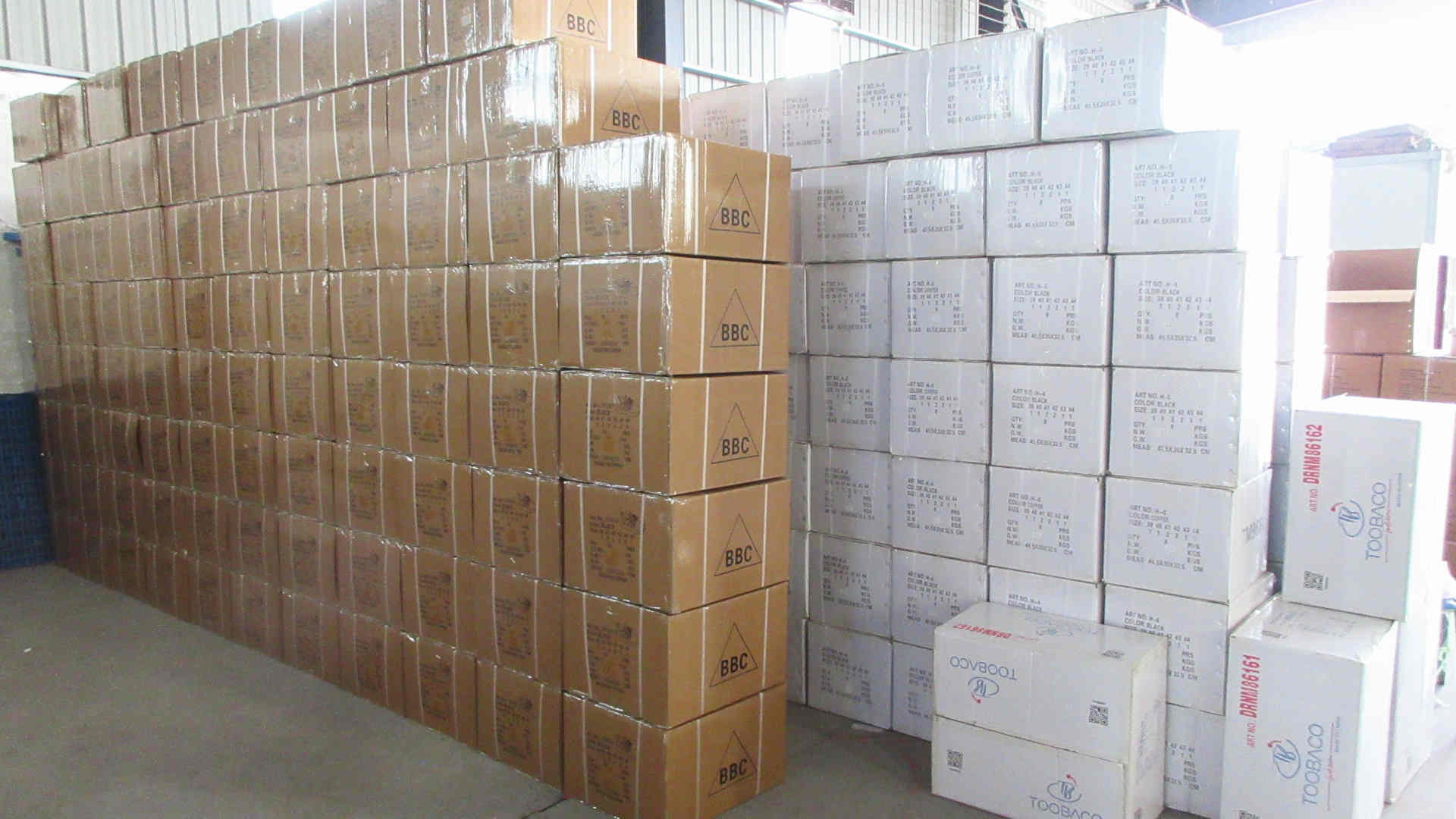
Procuring tactical footwear at scale presents unique challenges. B2B buyers must navigate quality control risks, international trade tariffs, supply chain delays, and testing certifications. For national defense departments and enterprise organizations, a supply chain delay is not just a commercial inconvenience; it is an operational risk.
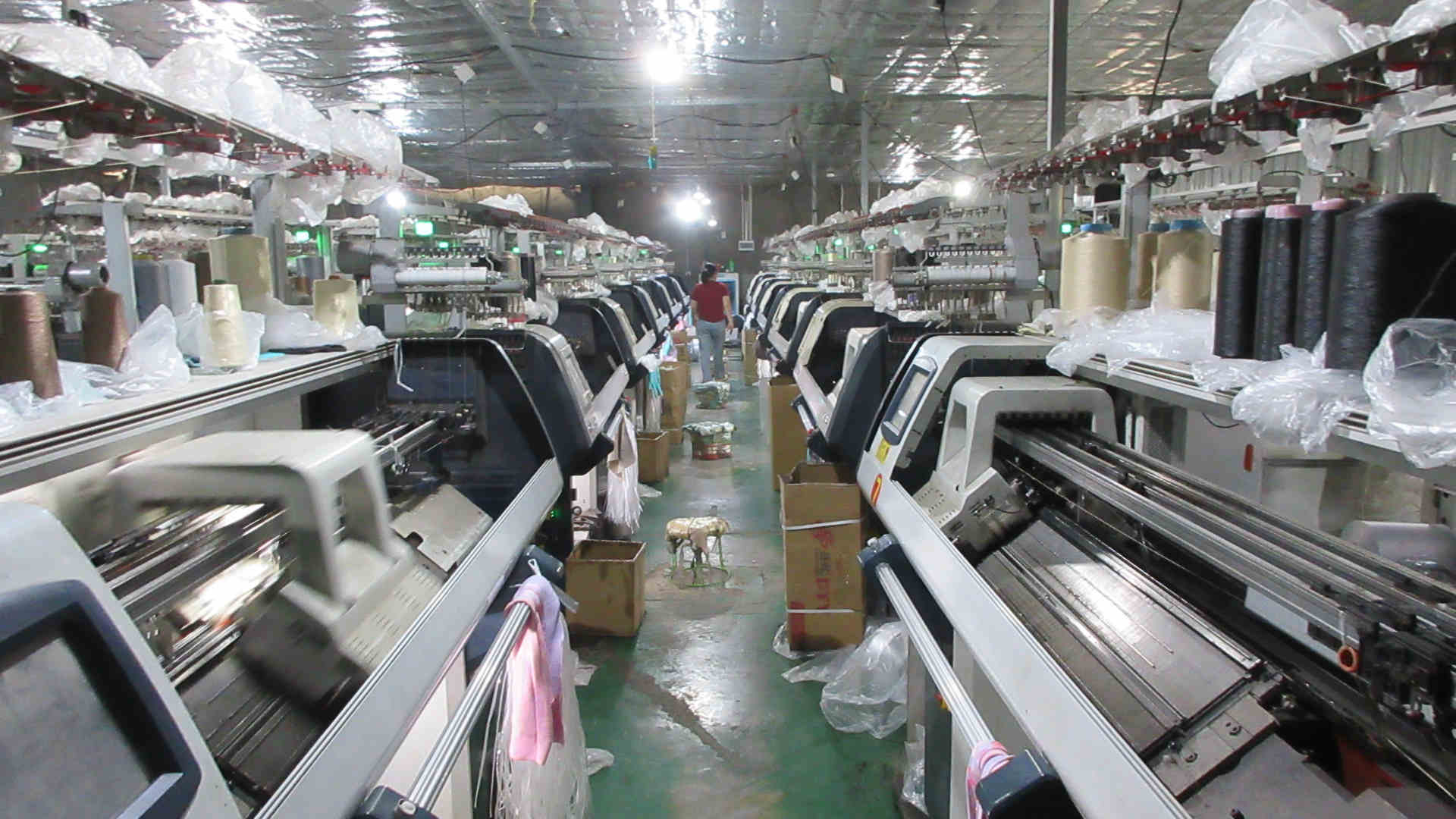
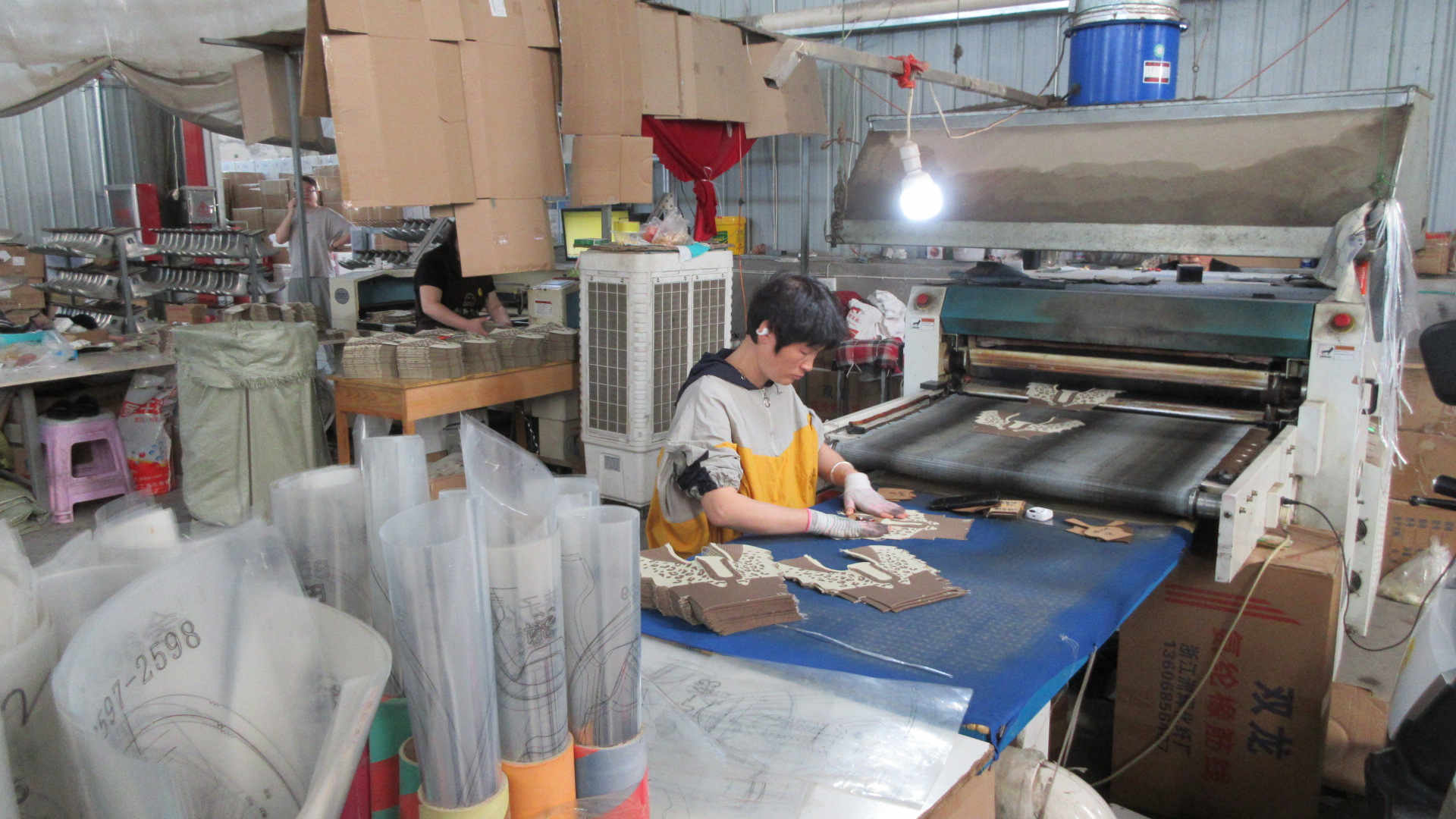
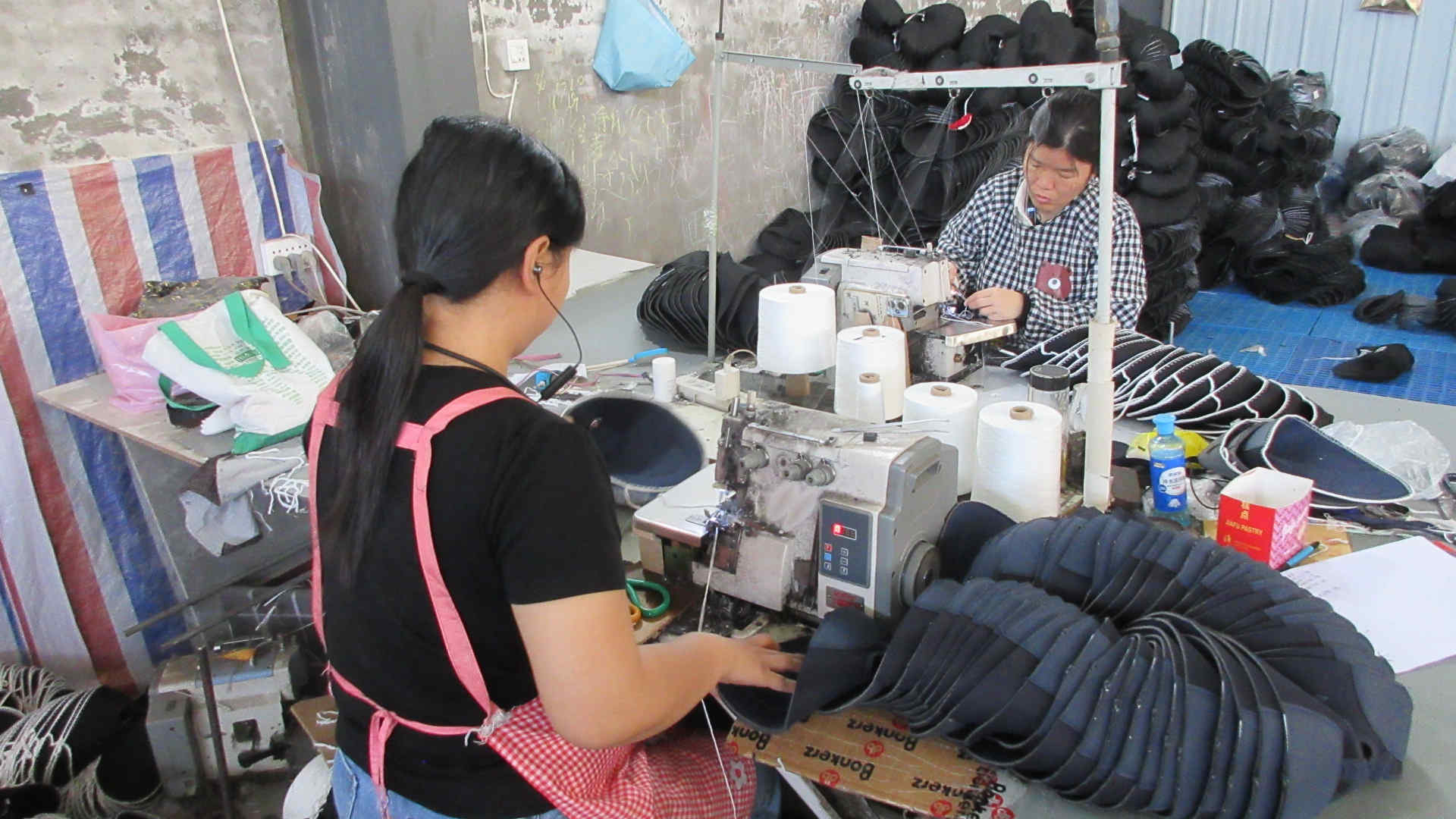
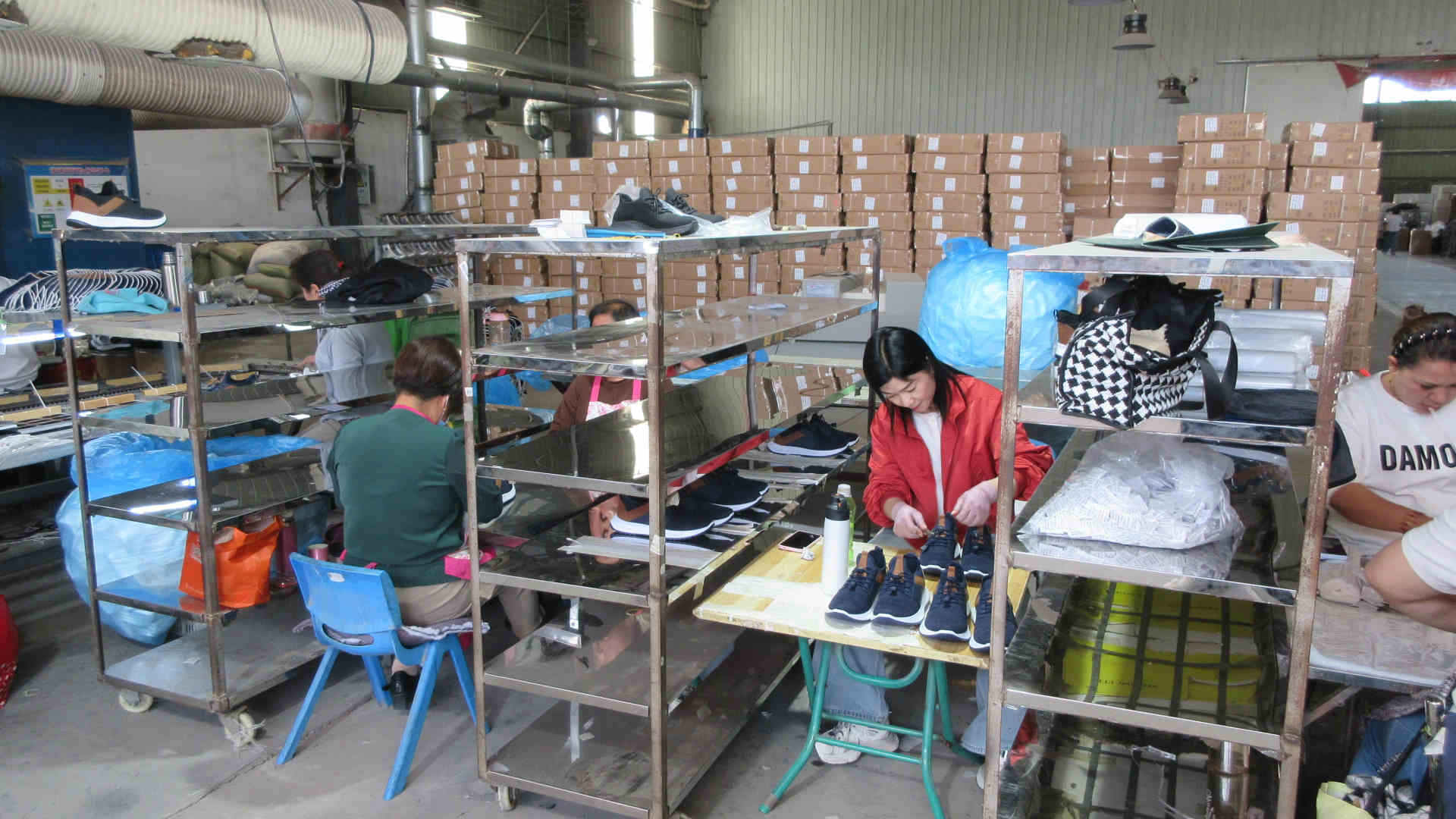
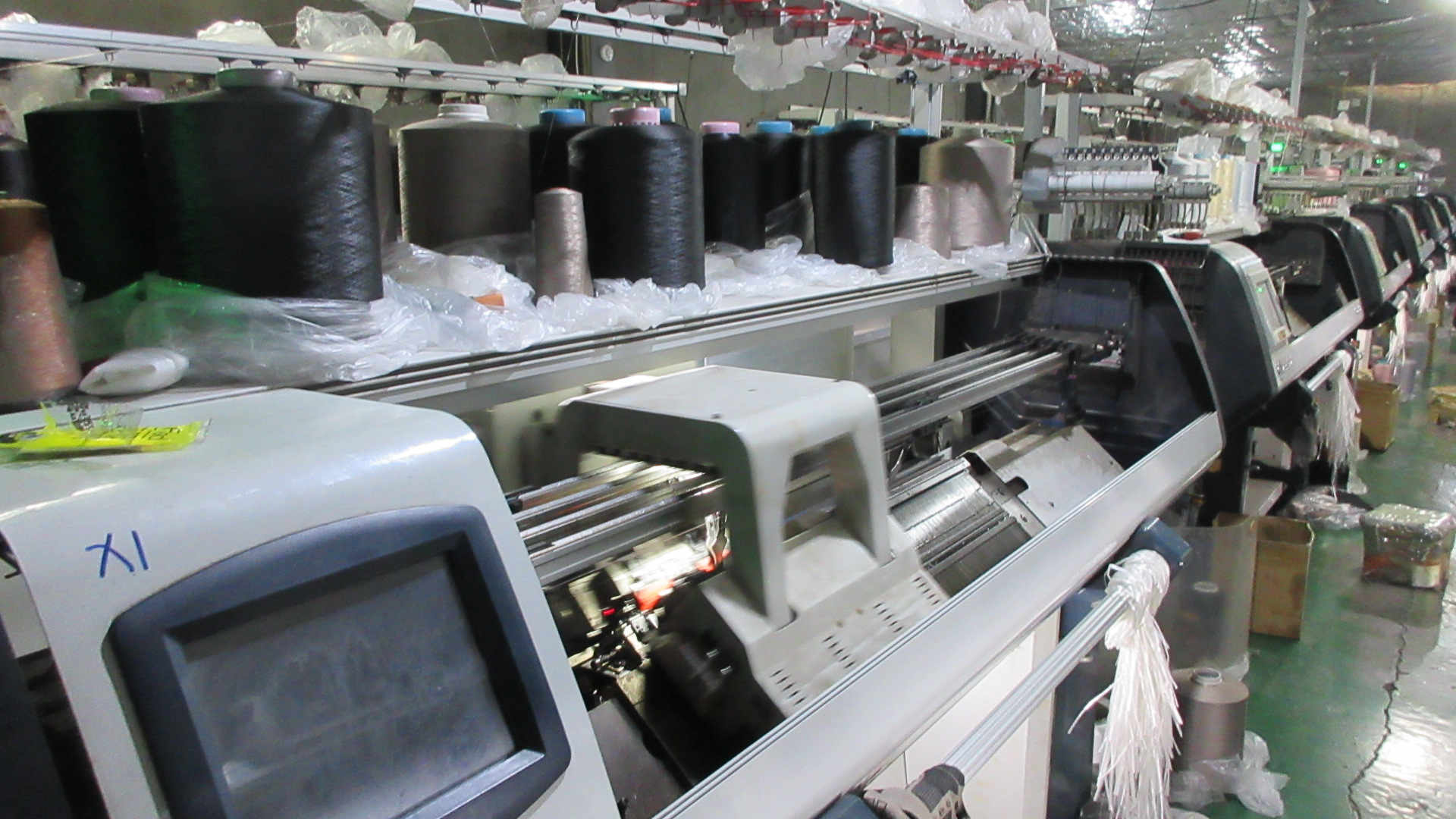
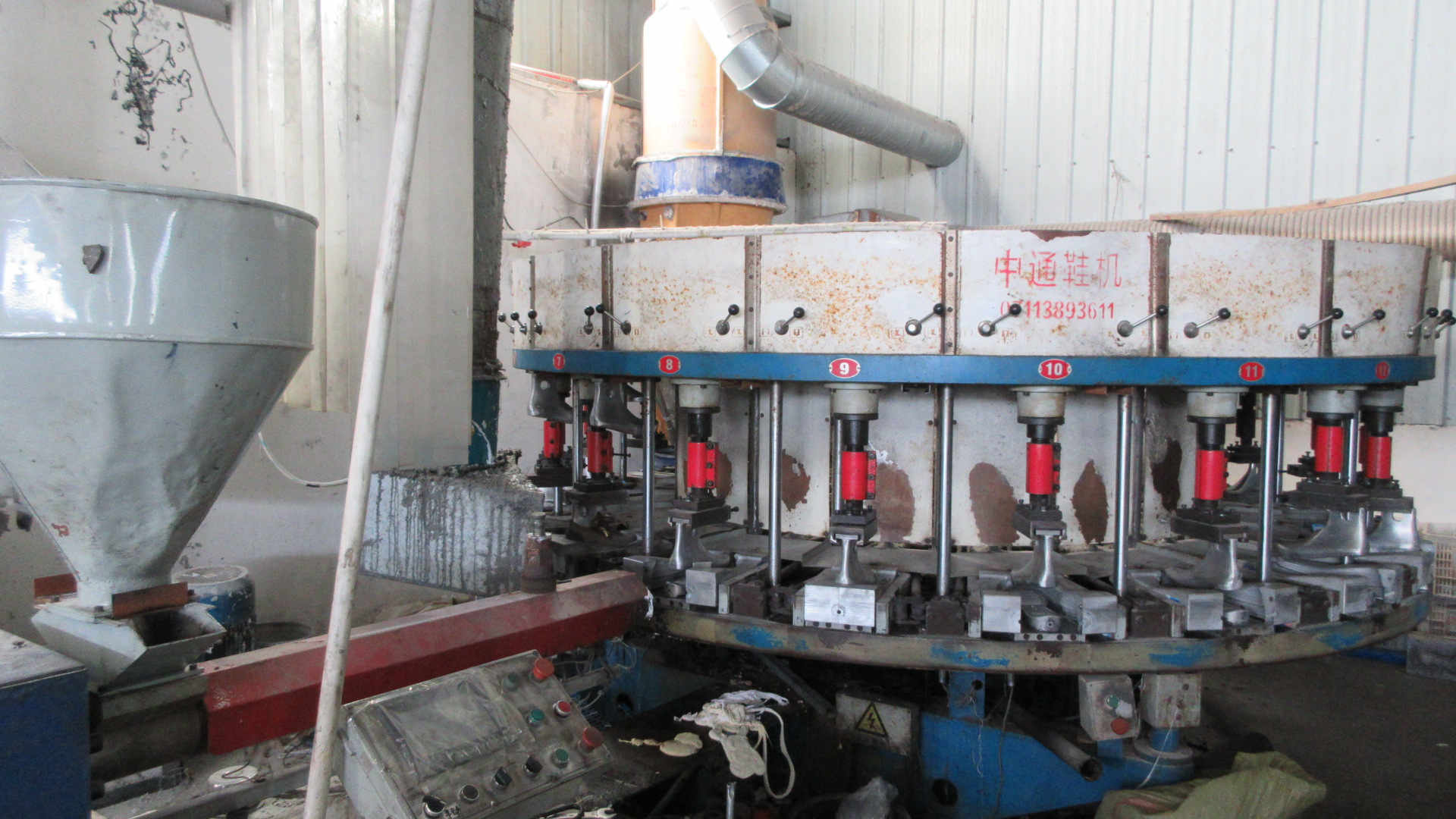
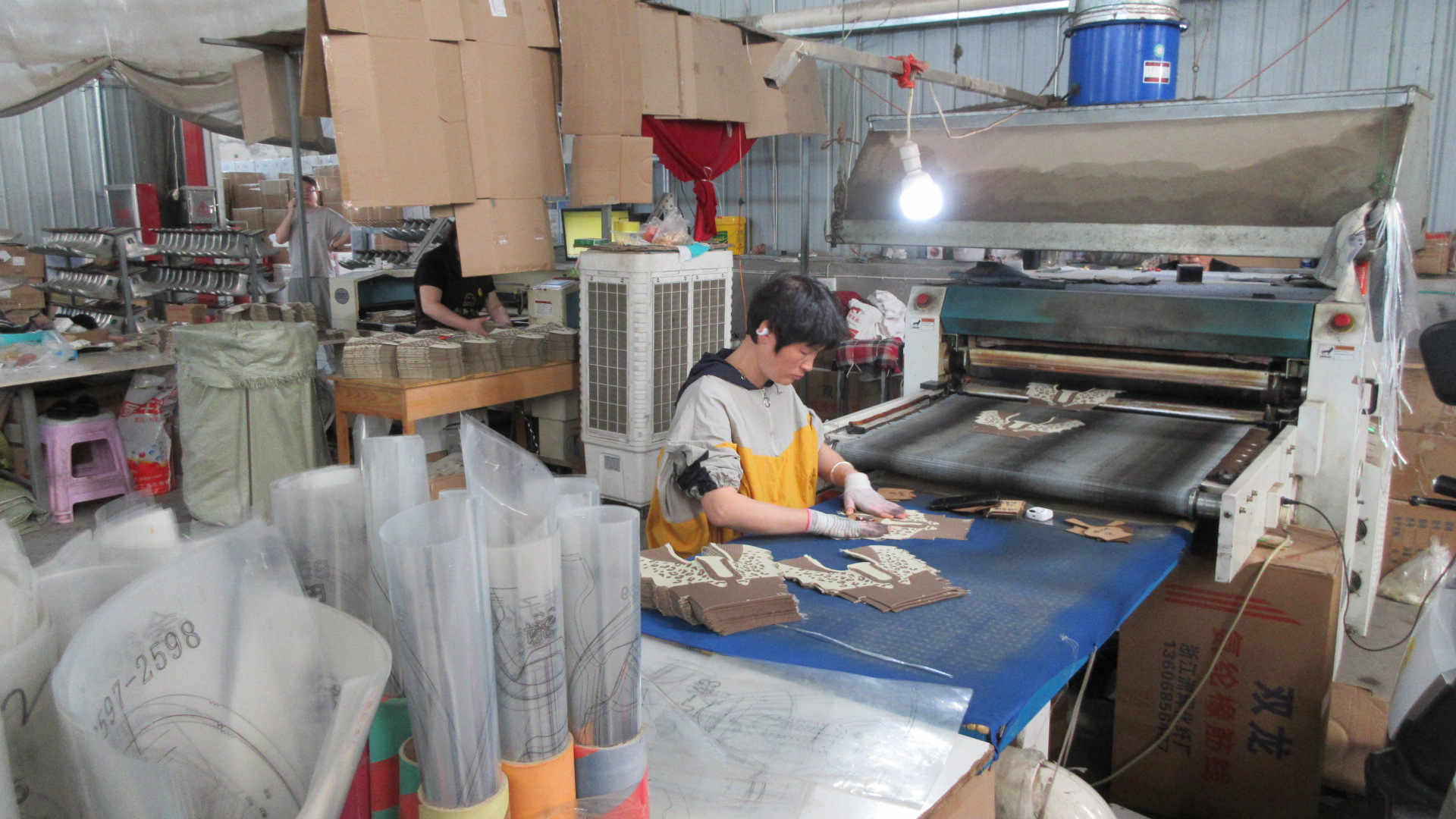
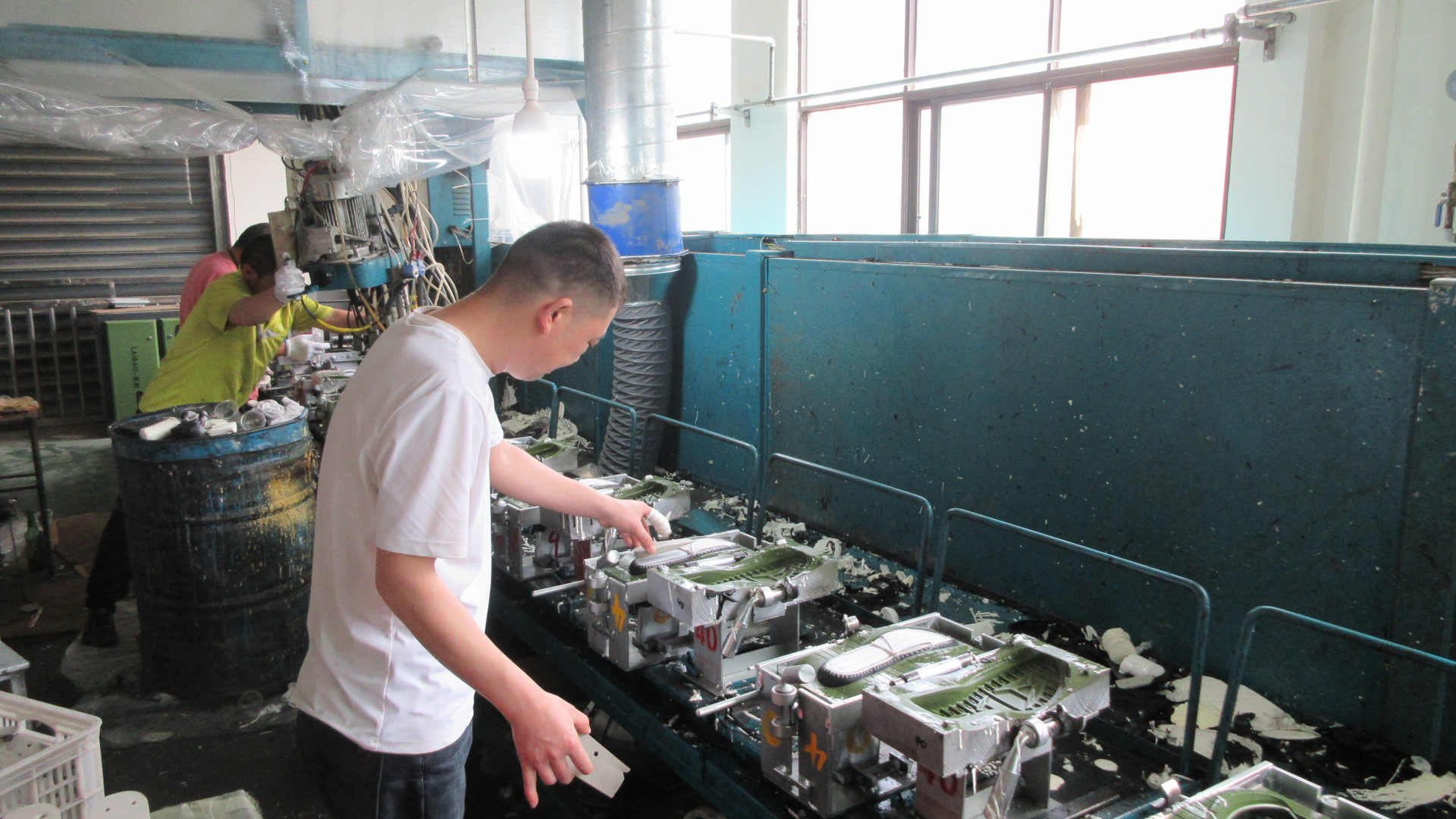
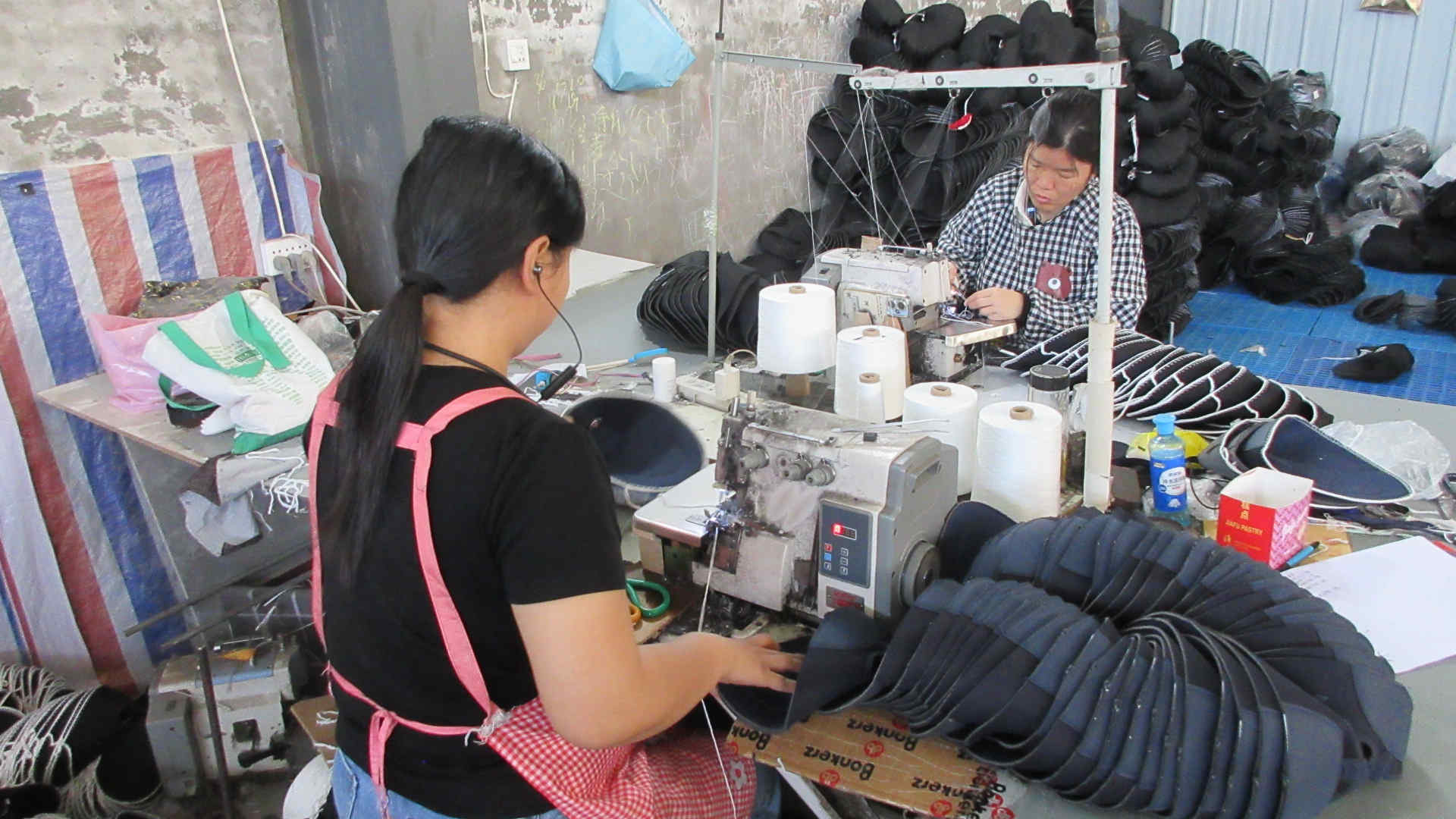
To mitigate these risks, leading manufacturers offer integrated vertical services, including customized OEM/ODM design, raw material testing, direct container loading, and automated production. By consolidating processing stages—from raw fabric weaving to injection molding—production cycles can be compressed by 30%, while quality control standards remain consistent across different product batches.
The reliability of tactical footwear depends on its engineering. Top-tier manufacturers focus on three key areas of the boot's structure:
Heavy canvas and low-grade split leathers have been replaced by high-tenacity, double-woven nylon fabrics (such as 1000D Cordura) and full-grain nubuck leathers. These materials undergo hydrophobic treatment during the dyeing process, ensuring long-lasting water resistance without reducing breathability.
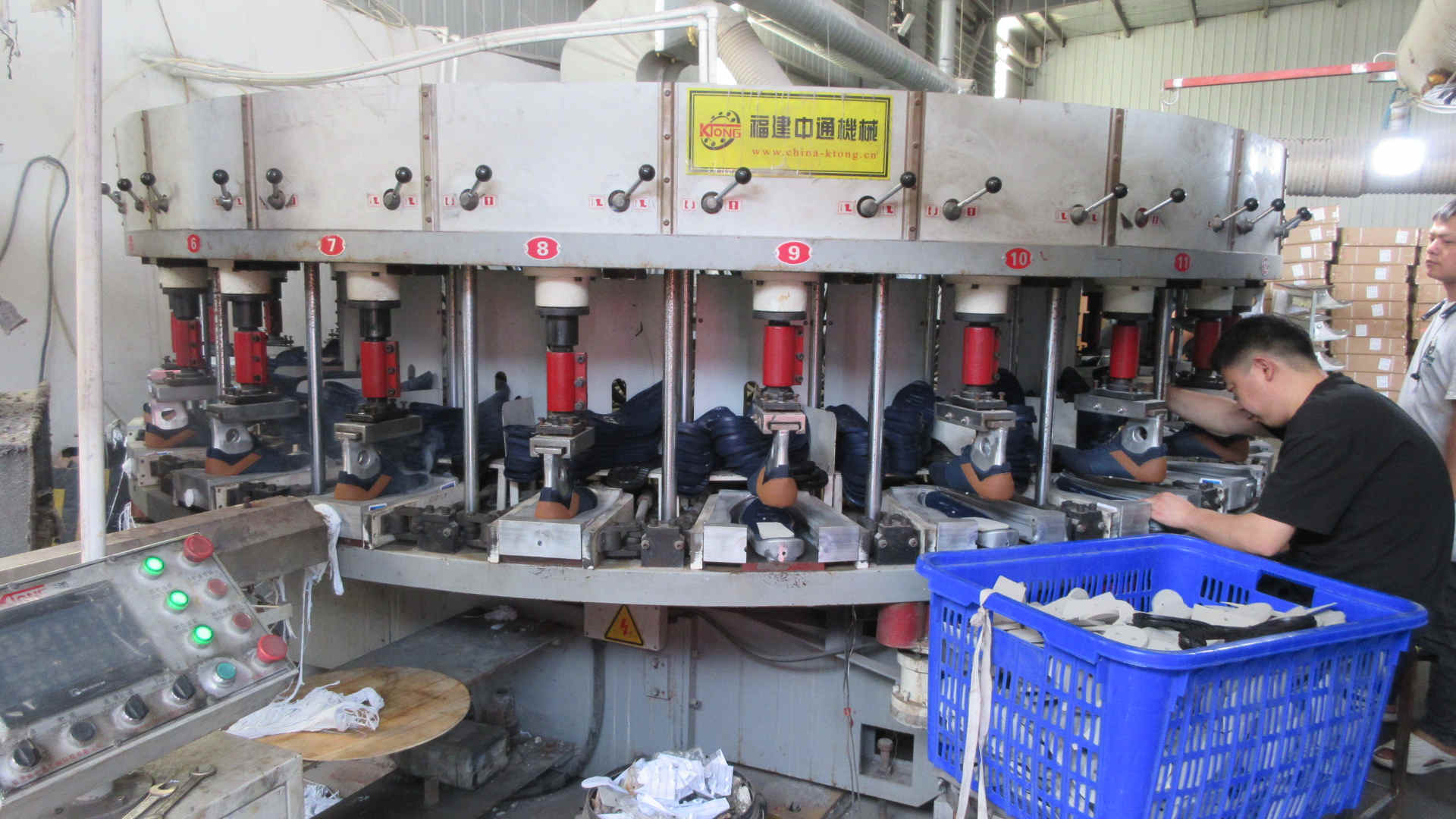
Using dual-density polyurethane injection molding allows manufacturers to combine two distinct performance profiles. A low-density, cushioning PU midsole is paired with a high-density protective outsole. Integrated TPU shanks are placed in the arch to provide torsional stability and prevent foot arch fatigue during movement on uneven terrain.
The outsole represents the interface between the user and the terrain. Tread patterns are engineered with self-cleaning lugs that release mud and debris during movement. The rubber compound is formulated to maintain flexibility in freezing climates and resist degradation when exposed to oils, greases, and fuel oil.
ABOUT QUANZHOU ORIONS FASHION CO., LTD.
Quanzhou Orions Fashion Co., Ltd. is a professional manufacturer and exporter specializing in the design, development, production, and sales of footwear, apparel, and fashion accessories. Located in Quanzhou, Fujian Province—one of China's most renowned footwear and garment manufacturing hubs—the company has established a strong reputation for delivering high-quality products and reliable services to customers worldwide.
With years of industry experience, Orions Fashion has developed into a modern enterprise integrating product research and development, manufacturing, quality control, and international trade. The company is equipped with advanced production facilities, efficient management systems, and a highly skilled workforce dedicated to innovation, craftsmanship, and customer satisfaction.
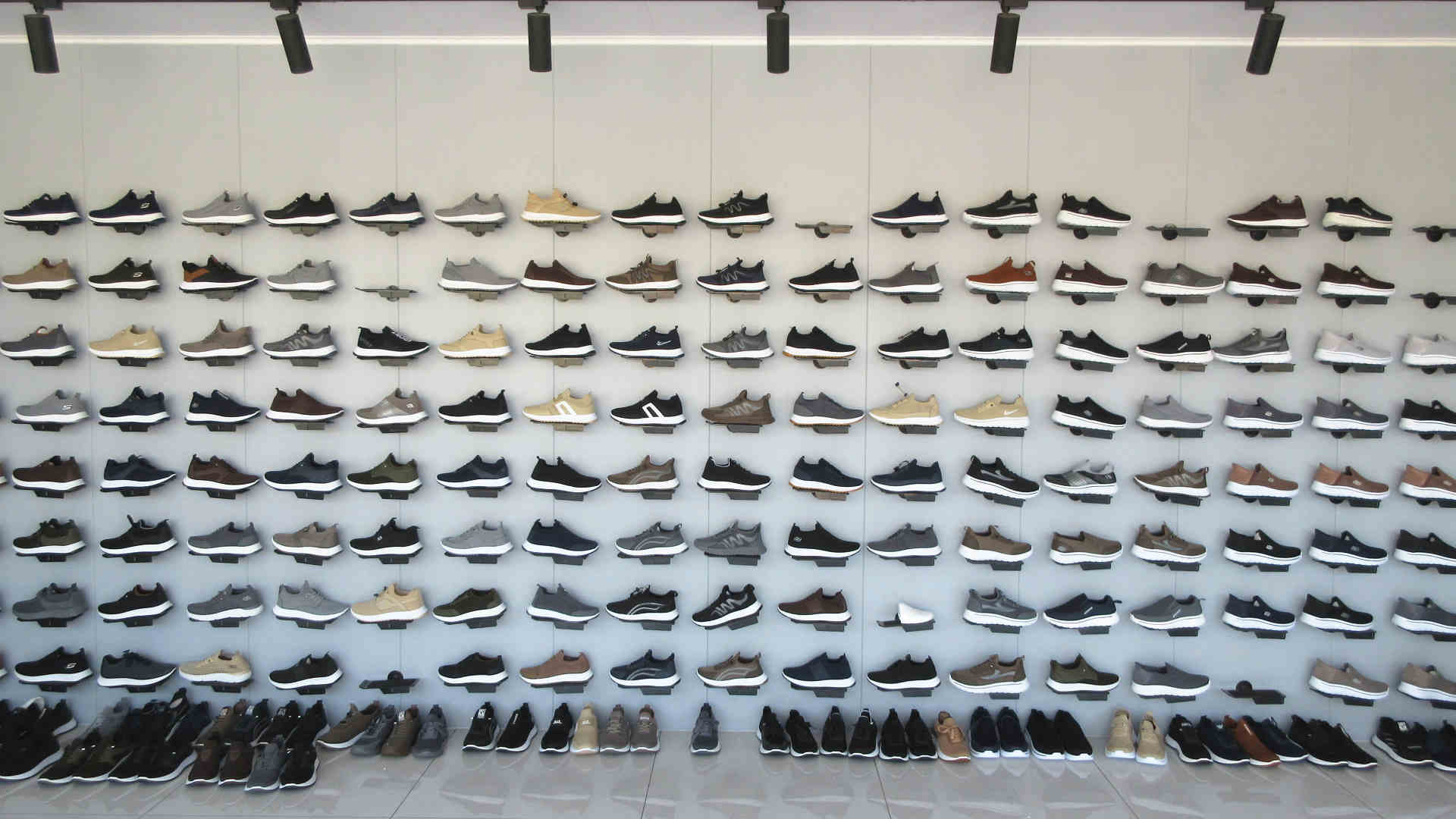
Our product portfolio includes sports shoes, casual shoes, outdoor footwear, children's footwear, fashion apparel, and various accessories, catering to diverse market demands across Europe, North America, South America, the Middle East, and Asia-Pacific regions. By combining contemporary design concepts with strict quality standards, we continuously provide products that meet international market requirements and consumer expectations.
Quality is at the core of everything we do. Orions Fashion implements comprehensive quality control procedures throughout the entire production process, from raw material sourcing to final inspection. The company works closely with trusted suppliers and manufacturing partners to ensure product consistency, durability, and compliance with international standards.
In addition to manufacturing excellence, Orions Fashion places great emphasis on sustainability, innovation, and long-term partnerships. We continuously improve our operational efficiency, environmental awareness, and product development capabilities to create greater value for our customers and business partners.
Driven by professionalism, integrity, and a customer-oriented philosophy, Quanzhou Orions Fashion Co., Ltd. remains committed to becoming a trusted global supplier in the fashion and footwear industry. We warmly welcome clients from around the world to establish mutually beneficial cooperation and grow together for a successful future.
The next phase of innovation in tactical footwear is focused on lightweight design, sustainable materials, and smart technology integration. R&D efforts are currently concentrated on two key developments:
As corporate sustainability goals become more common, military and commercial buyers are seeking out eco-friendly alternatives. Footwear brands are testing recycled polyester blends, bio-based polyurethanes, and chromium-free leather options that meet strict performance requirements while reducing environmental impact.
Future tactical systems will likely include embedded sensors within the midsole structure to track kinetic parameters. These smart systems can monitor real-time pressure distribution, step patterns, and overall load weight. The resulting data can help teams optimize energy output, reduce fatigue, and manage physical strain on duty.
To ensure high performance in demanding field conditions, modern tactical footwear undergoes systematic testing at every stage of production. Standard quality assurance protocols include:
Outsoles and upper assemblies undergo up to 100,000 continuous flex cycles in temperature-controlled chambers to check for crack propagation and material separation.
Evaluates the ultimate strength of stitching threads, synthetic textiles, and full-grain leathers under heavy tensile loads to prevent mid-operation failures.
Tests the bond between the upper section and the midsole/outsole layer. High bond strength is crucial to keep the boot structure intact over years of heavy use.
By conducting these tests in certified in-house laboratories and partner facilities (such as SGS or Intertek), manufacturers can issue valid CE marks, EN ISO certifications, and ASTM certificates. This documentation simplifies the customs and regulatory process for importers worldwide.