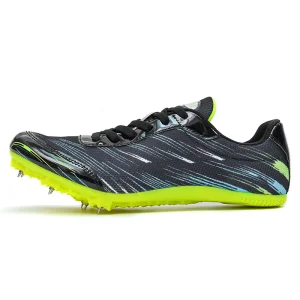
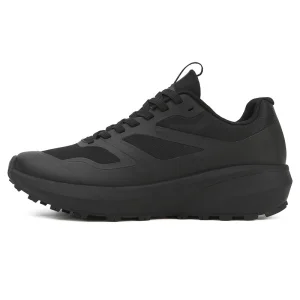
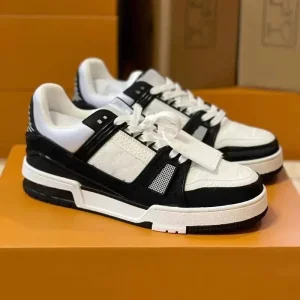
Orions Fashion
Orions Fashion
Orions Fashion
Explore our leading athletic and performance design products built to international safety and durability standards.
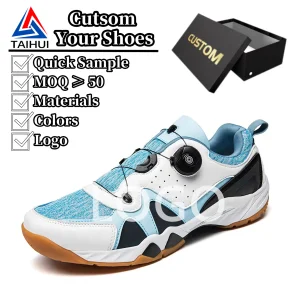

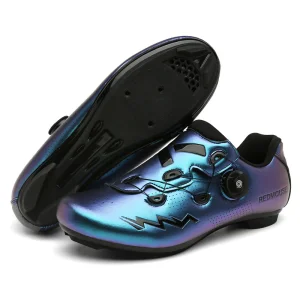
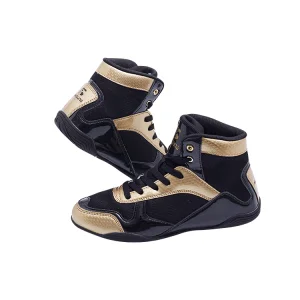
As winter sports transition from seasonal recreation to global cultural phenomena, the demand for highly technical, ergonomic, and durable snowboarding boots has surged exponentially. The global snowboarding equipment market is anticipated to expand at a compound annual growth rate (CAGR) of over 5.4% through 2030, driven by the expanding winter tourism sector in the Asia-Pacific region, technological breakthroughs in materials science, and a robust consumer tilt toward experiential travel.
In the footwear supply chain, snowboarding boots represent one of the most technologically demanding sub-sectors. Unlike conventional athletic shoes, a snowboarding boot must function as a structural interface between the human skeletal framework and the mechanical linkages of the board bindings. This requires factories to possess advanced capabilities in polymer engineering, thermal bonding, waterproof membranes, dynamic stitching, and precision closure systems (e.g., BOA® dual-zone dial integrations). For global brand managers and procurement specialists, selecting the right manufacturing exporter is not simply a matter of comparing unit costs; it is a complex risk management and product development strategy.
Currently, manufacturing clusters in East Asia, notably in Fujian and Guangdong provinces, form the backbone of global snowboard boot production. These hubs merge traditional shoe craftsmanship with high-tech automation, including PU injection molding, automated stitch plotting, and laser engraving. This whitepaper analyzes the top manufacturing methodologies, global trade dynamics, procurement challenges, and technological trajectories that define the top exporters of snowboarding boots today.
How technological advancements and consumer expectations are forcing factories to upgrade their production lines and design philosophies.
The market has shifted away from traditional laces to advanced mechanical systems. Factories are engineering dual-zone BOA® and hybrid harness systems integrated with internal heel lock retention anchors. Precision alignment of these guides is vital to prevent pressure points and ensure linear flex distribution.
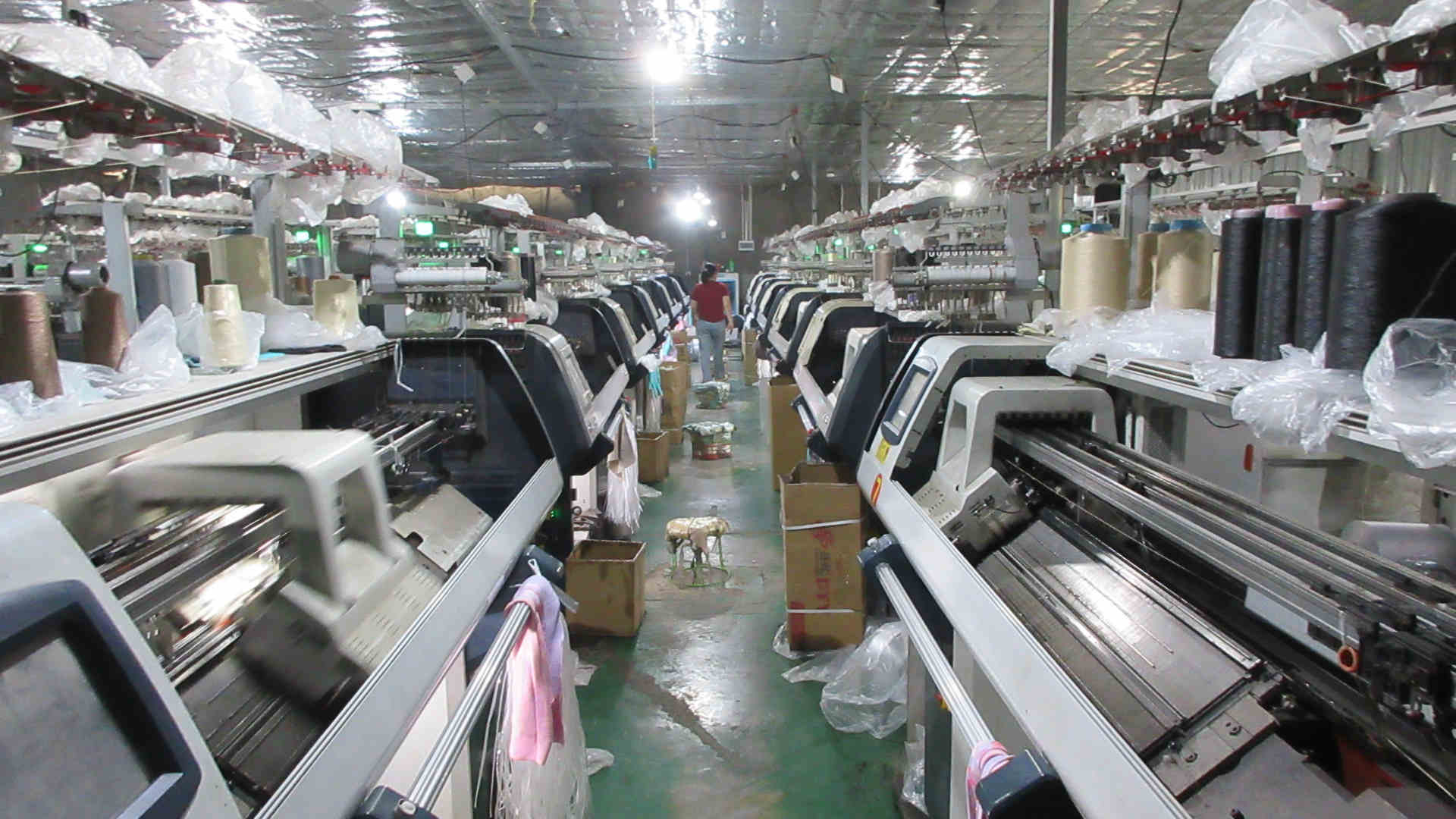
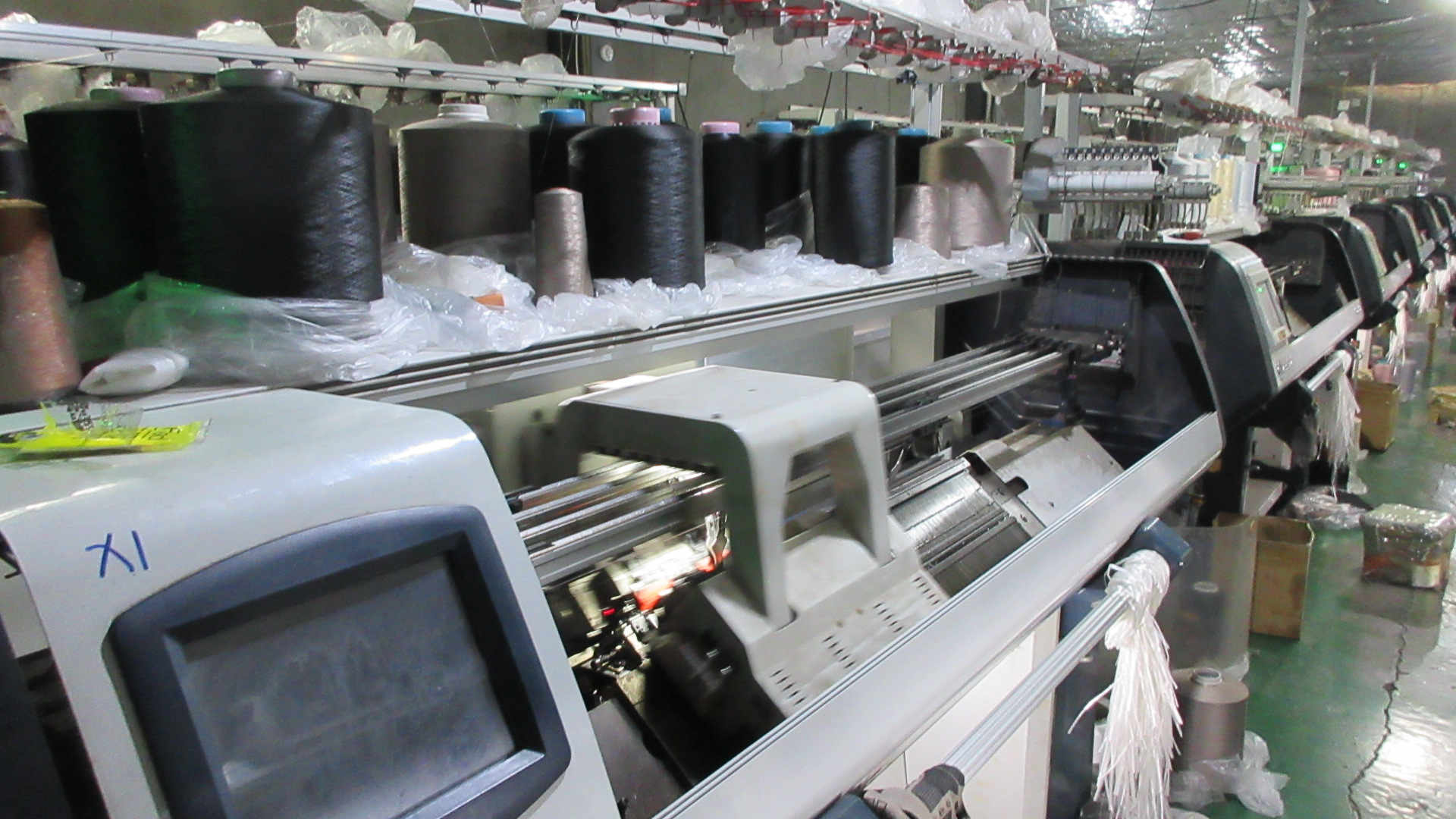
By implementing computerized flat knitting (Flyknit tech), modern factories weave high-durability polyester and nylon fibers directly into structural zones. This reduces waste, optimizes weight, and provides targeted flexibility without sacrificing the mechanical integrity needed for steep descents.
Modern liners must incorporate heat-moldable EVA foams that adapt dynamically to the rider's foot. Combined with breathable, waterproof internal booties and reflective foil underlays, exporters are delivering boots that sustain warmth down to -30°C while managing internal moisture.
For enterprise procurement officers and global sports brands, evaluating a prospective manufacturing partner in China or Southeast Asia involves a deep assessment of their technological capabilities and compliance records. Below are the key pillars that separate premium manufacturers from standard shoe producers:
Top-tier factories provide rapid 3D CAD modeling and digital prototype rendering. The ability to output highly accurate physical samples within 7-14 days speeds up go-to-market schedules, allowing brands to adjust to seasonal feedback swiftly.
Snowboarding boots undergo extreme physical stresses. Elite factories maintain in-house labs equipped with flex-fatigue testers, low-temperature impact chambers, dynamic waterproofing testers, and outsole abrasion machines to ensure compliance with ASTM and ISO standards.
Different riding styles require specific boot flexes (Soft, Medium, Stiff). Top factories master backstay reinforcement formulation, utilizing thermoplastic polyurethane (TPU) inserts and variable-rigidity panels to customize lateral and longitudinal flex parameters.
Leading exporters regularly clear audits for BSCI, SMETA (Sedex), and ISO 9001. Ensuring fair labor standards and non-hazardous work environments is critical for protecting the brand equity of international importers.
Sourcing specialized sports equipment like snowboard boots across borders involves navigation of logistical bottlenecks, raw material price fluctuations, and strict environmental regulations. Exporters who implement macro-level supply chain integrations stand out as strategic partners rather than simple transactional vendors.
Fluctuating petroleum costs directly affect TPU, EVA, and synthetic leather prices. Leading factories mitigate this risk through strategic volume pre-purchasing and long-term contracts with polymer suppliers, stabilizing FOB pricing for global buyers.
Importing technical footwear into markets like the USA and the EU requires precise HS Code classification (typically under Chapter 64). Elite exporters assist with comprehensive customs documentation, Origin Certificates, and dynamic anti-dumping risk evaluations.
With regulations like EU's REACH and various microplastics limitations, factories must employ water-based solvent-free adhesives and recycled EVA options to meet strict import testing. Exporters are restructuring their chemical inventories to support green certification.
Demonstrating excellence in specialized footwear manufacturing, Quanzhou Orions Fashion Co., Ltd. stands as a premier example of Chinese manufacturing integration.
ABOUT QUANZHOU ORIONS FASHION CO., LTD.
Quanzhou Orions Fashion Co., Ltd. is a professional manufacturer and exporter specializing in the design, development, production, and sales of footwear, apparel, and fashion accessories. Located in Quanzhou, Fujian Province—one of China's most renowned footwear and garment manufacturing hubs—the company has established a strong reputation for delivering high-quality products and reliable services to customers worldwide.
With years of industry experience, Orions Fashion has developed into a modern enterprise integrating product research and development, manufacturing, quality control, and international trade. The company is equipped with advanced production facilities, efficient management systems, and a highly skilled workforce dedicated to innovation, craftsmanship, and customer satisfaction.
Our product portfolio includes sports shoes, casual shoes, outdoor footwear, children's footwear, fashion apparel, and various accessories, catering to diverse market demands across Europe, North America, South America, the Middle East, and Asia-Pacific regions. By combining contemporary design concepts with strict quality standards, we continuously provide products that meet international market requirements and consumer expectations.
Quality is at the core of everything we do. Orions Fashion implements comprehensive quality control procedures throughout the entire production process, from raw material sourcing to final inspection. The company works closely with trusted suppliers and manufacturing partners to ensure product consistency, durability, and compliance with international standards.
In addition to manufacturing excellence, Orions Fashion places great emphasis on sustainability, innovation, and long-term partnerships. We continuously improve our operational efficiency, environmental awareness, and product development capabilities to create greater value for our customers and business partners.
Driven by professionalism, integrity, and a customer-oriented philosophy, Quanzhou Orions Fashion Co., Ltd. remains committed to becoming a trusted global supplier in the fashion and footwear industry. We warmly welcome clients from around the world to establish mutually beneficial cooperation and grow together for a successful future.
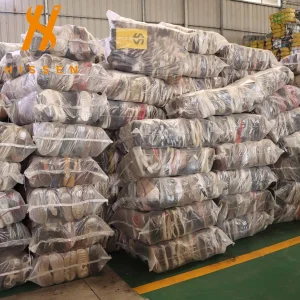
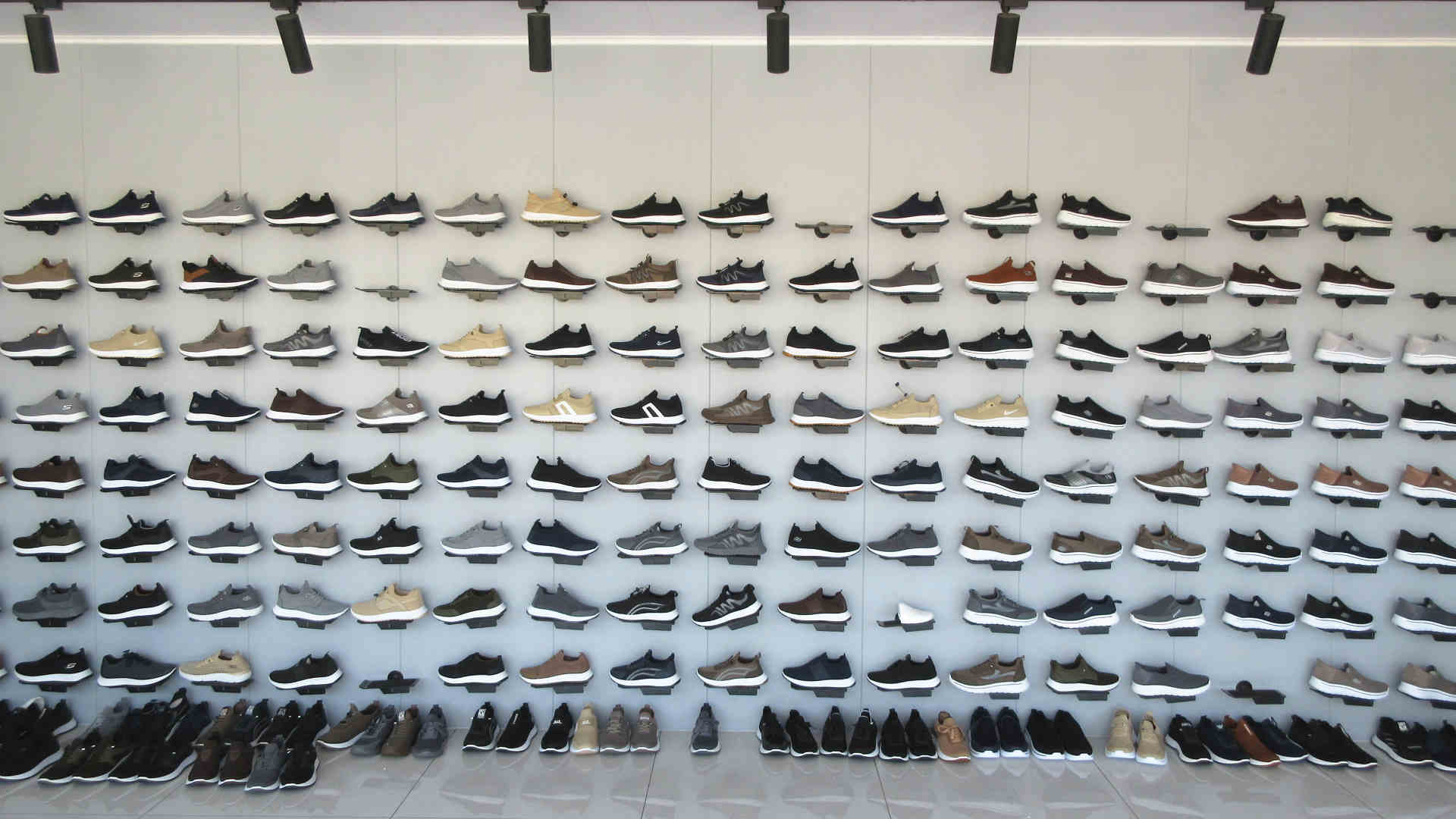
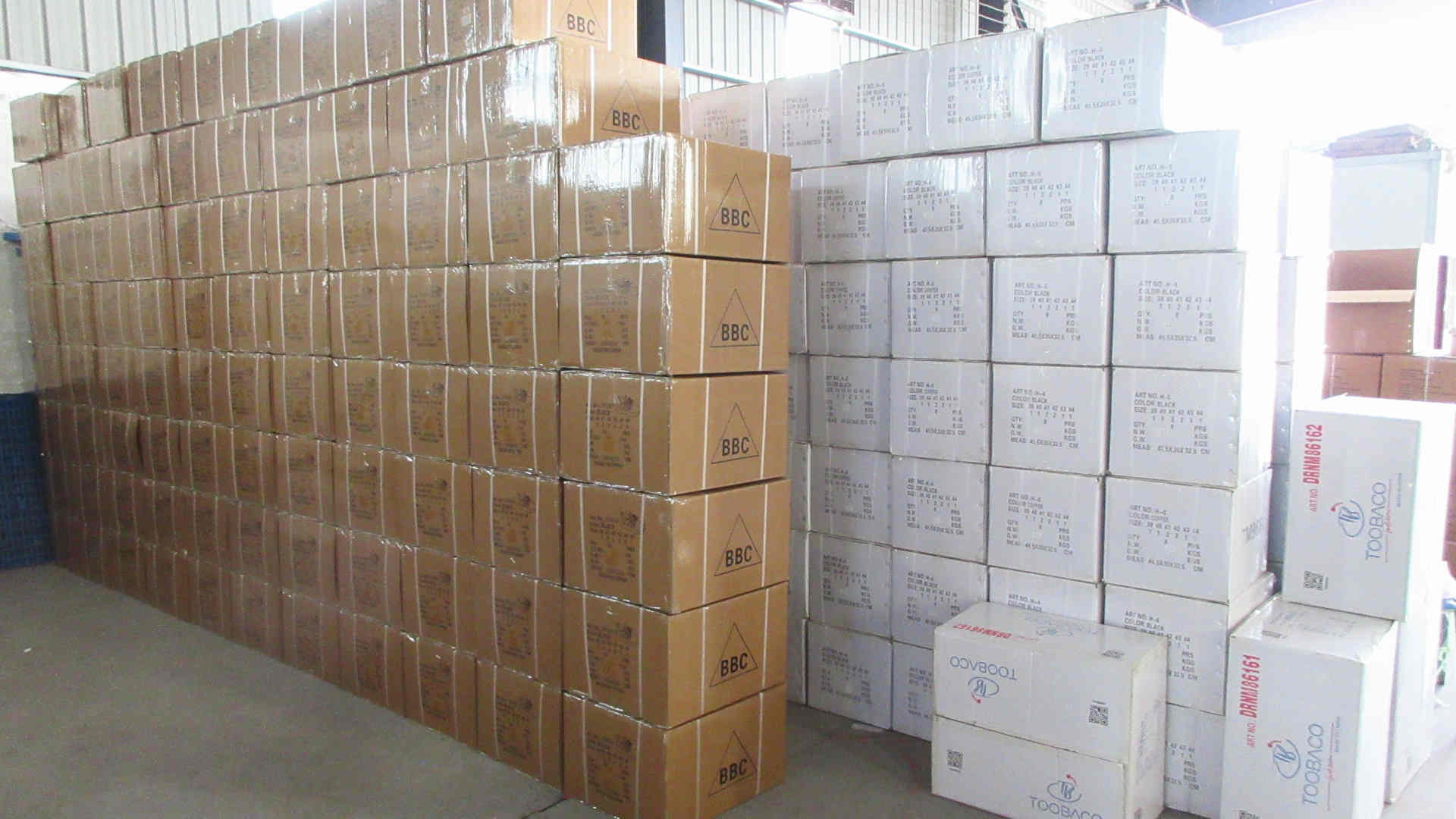
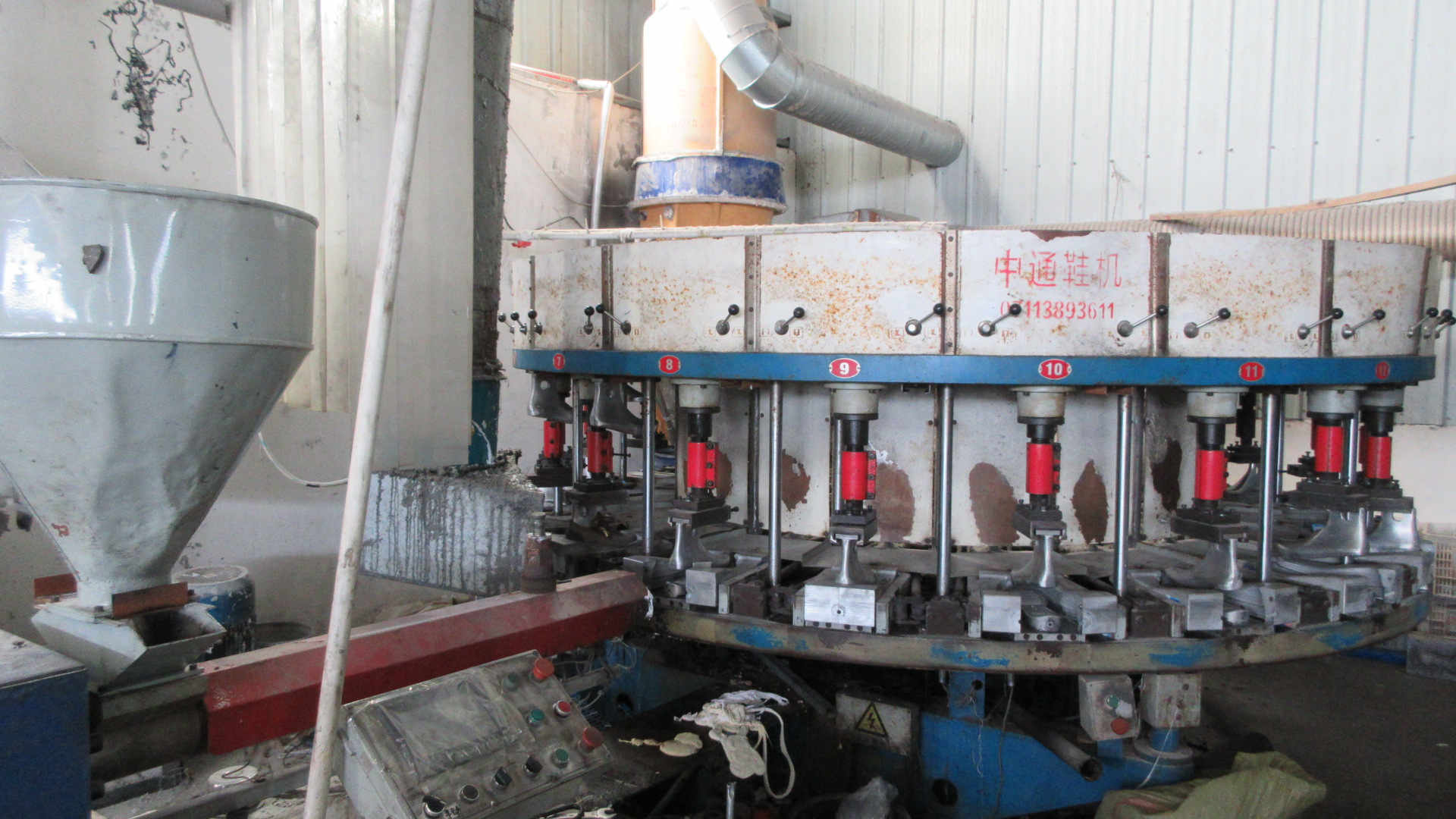
Explore the physical footprint of Orions Fashion's manufacturing plant, displaying the automated systems and skilled production processes that ensure premium output:
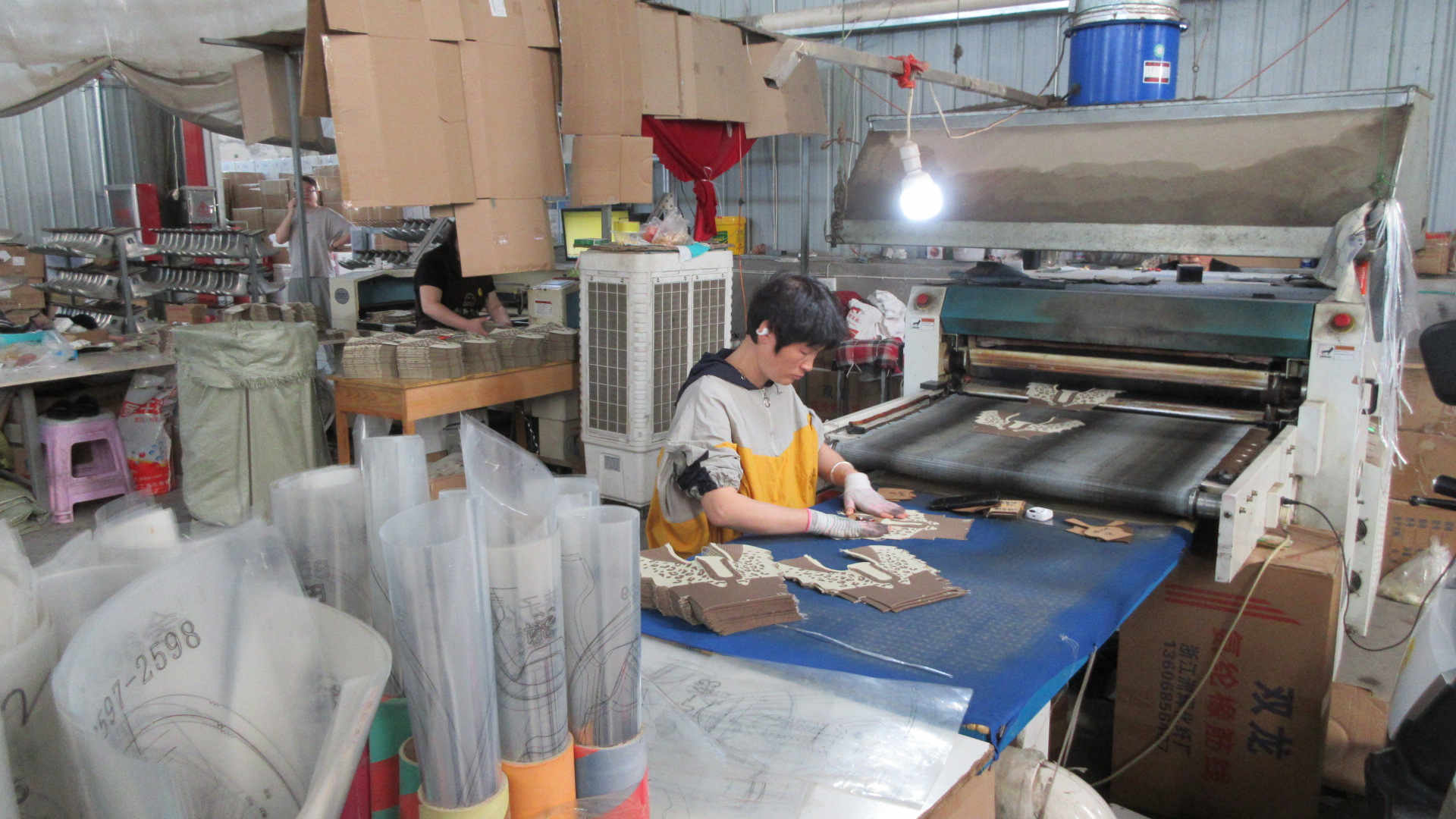
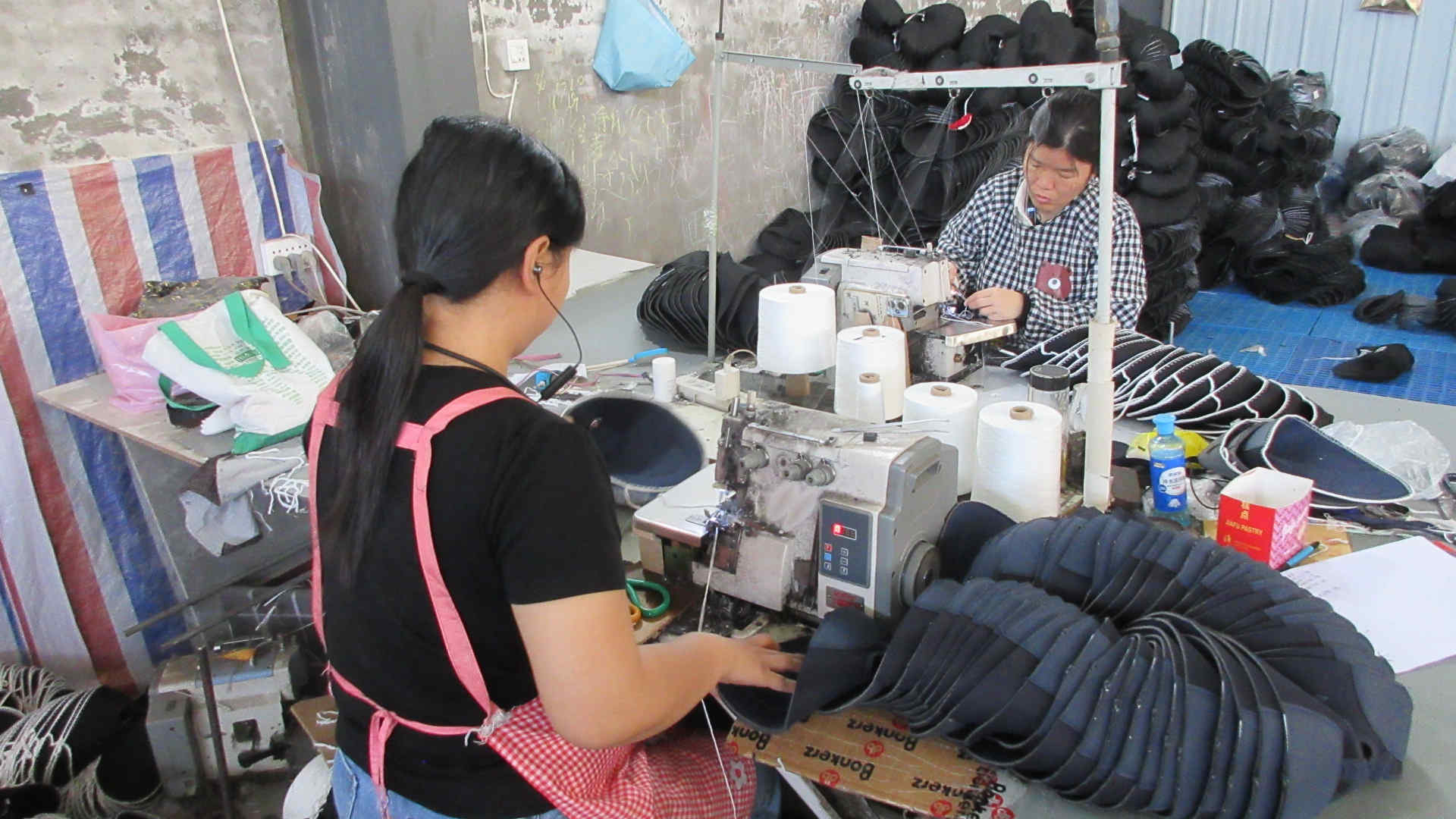
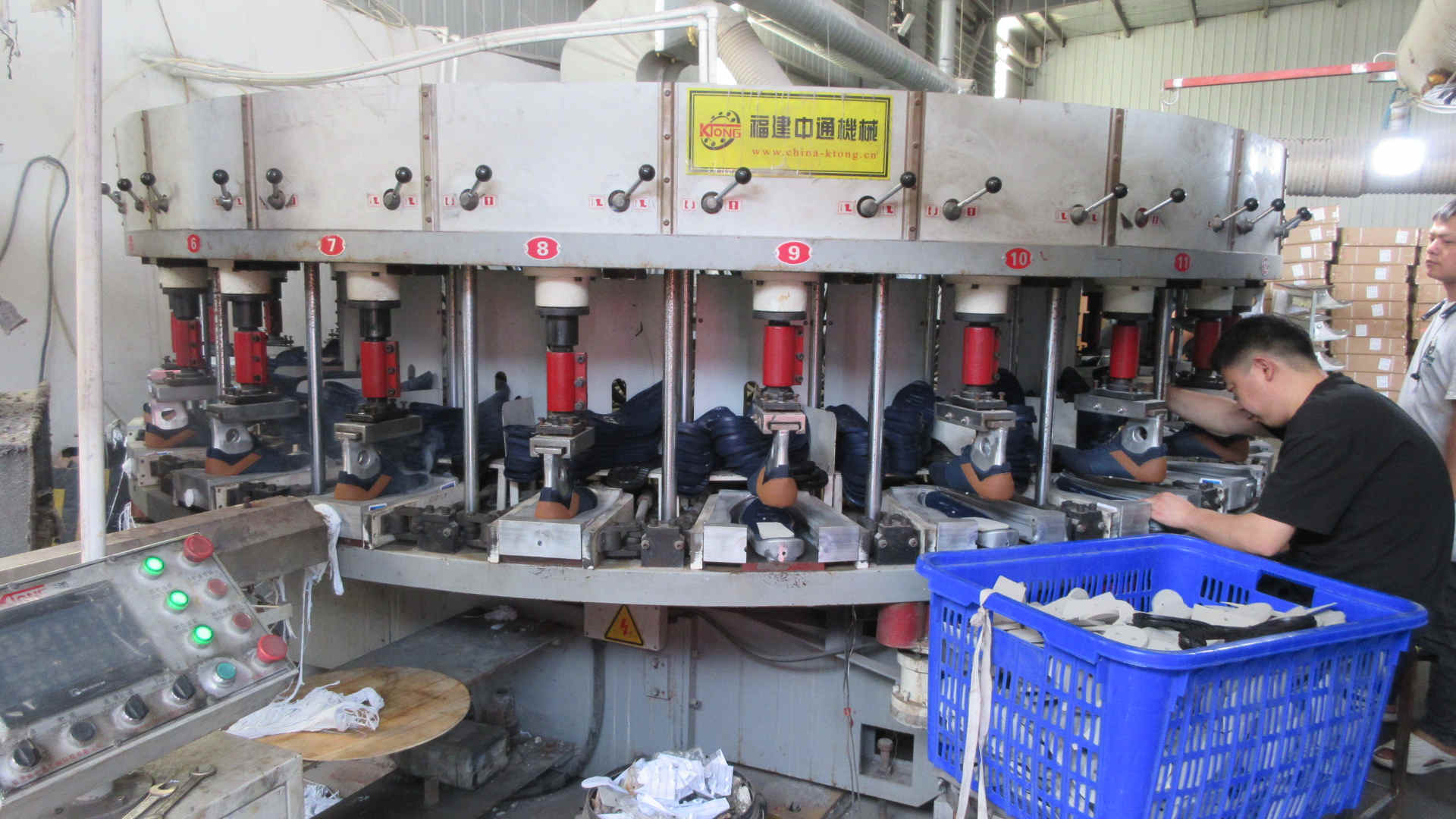
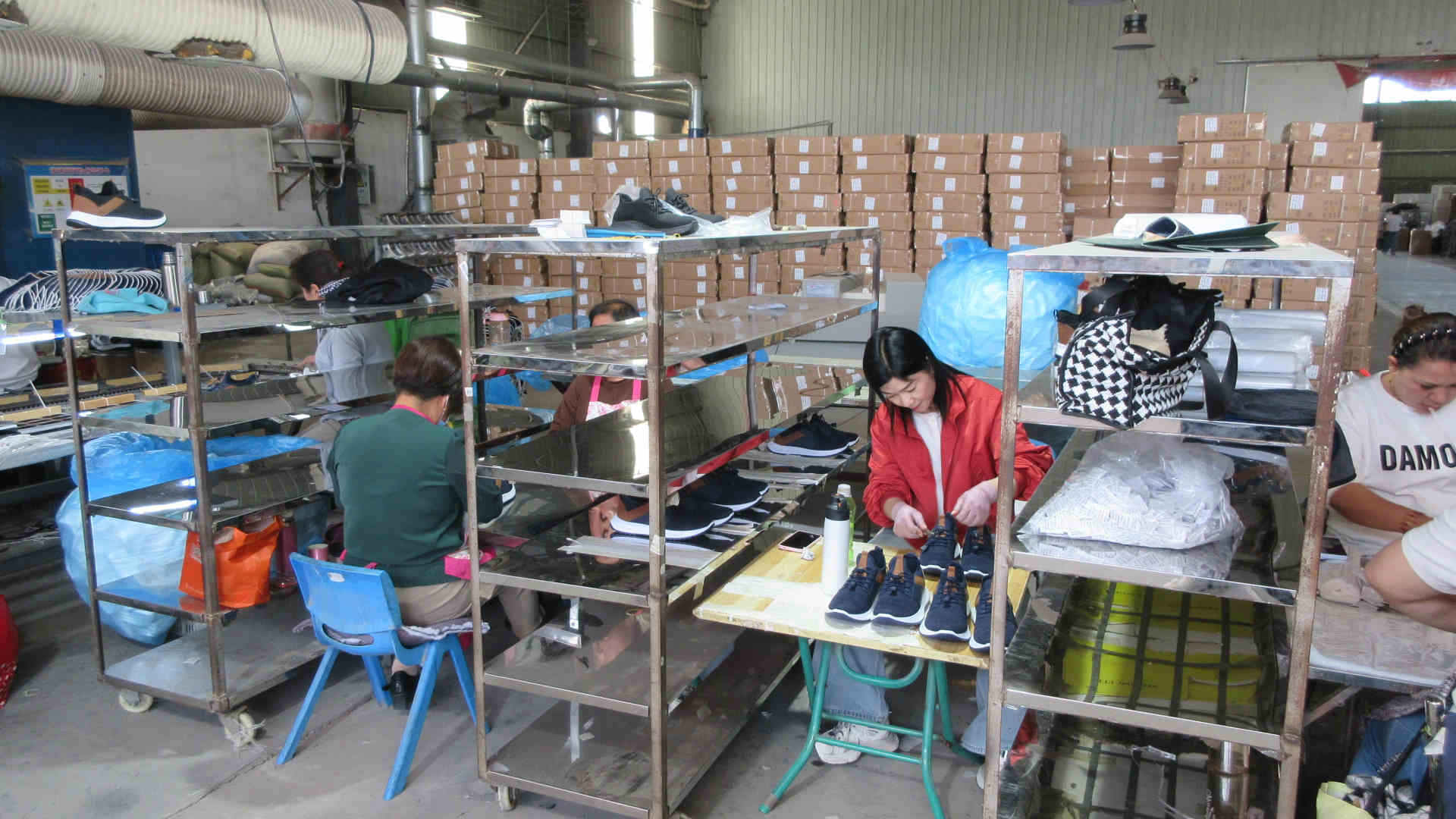
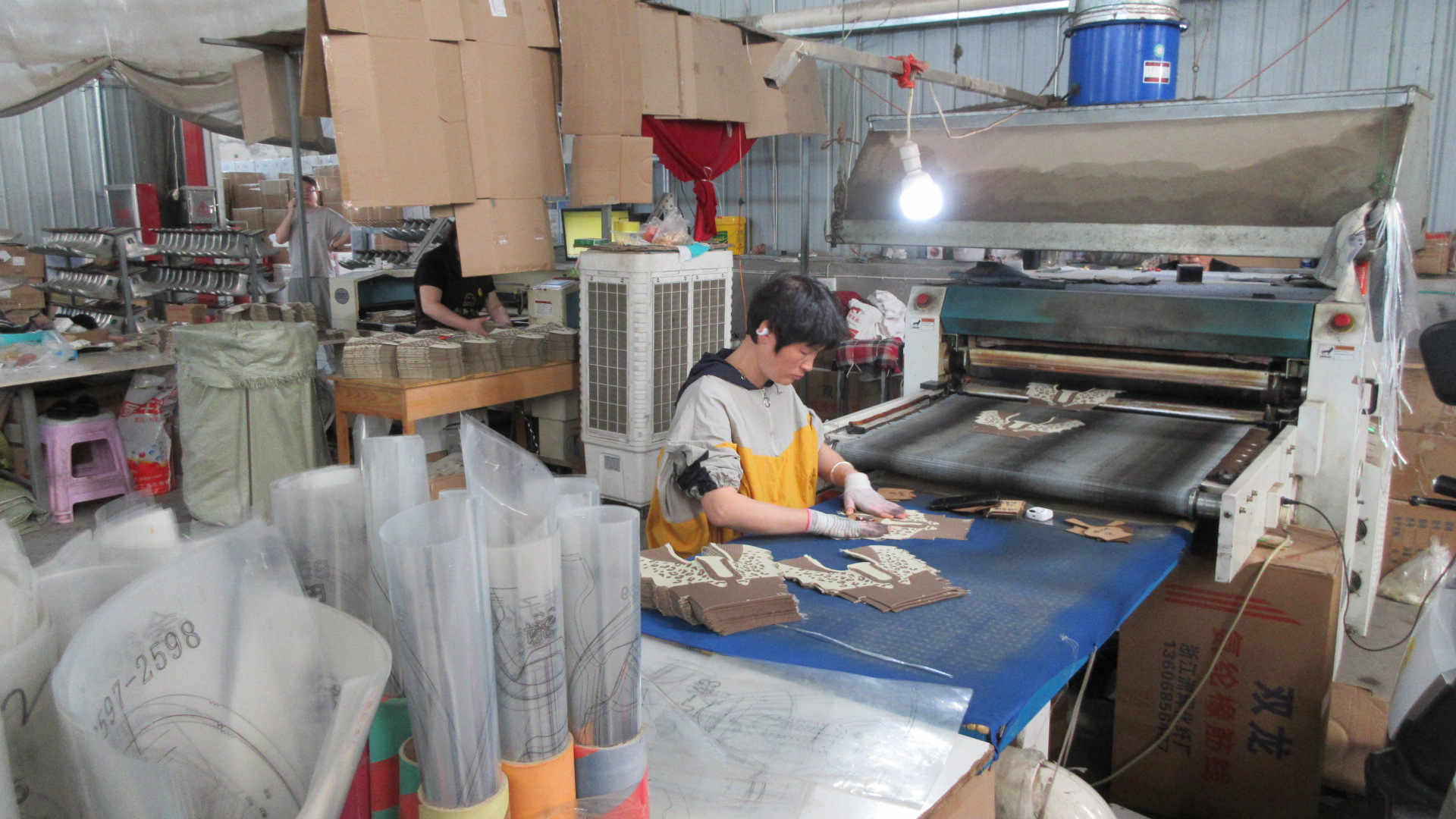
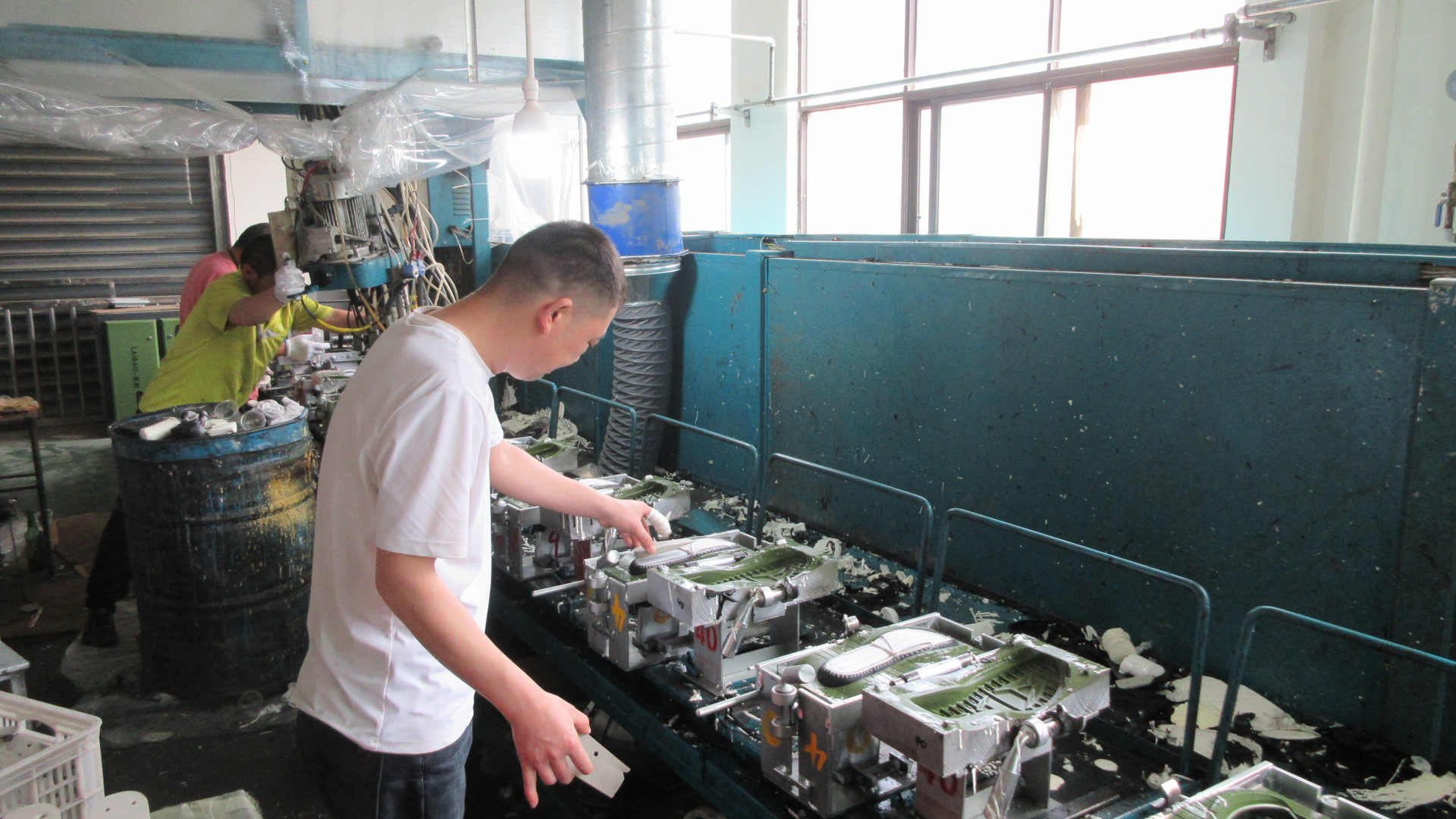
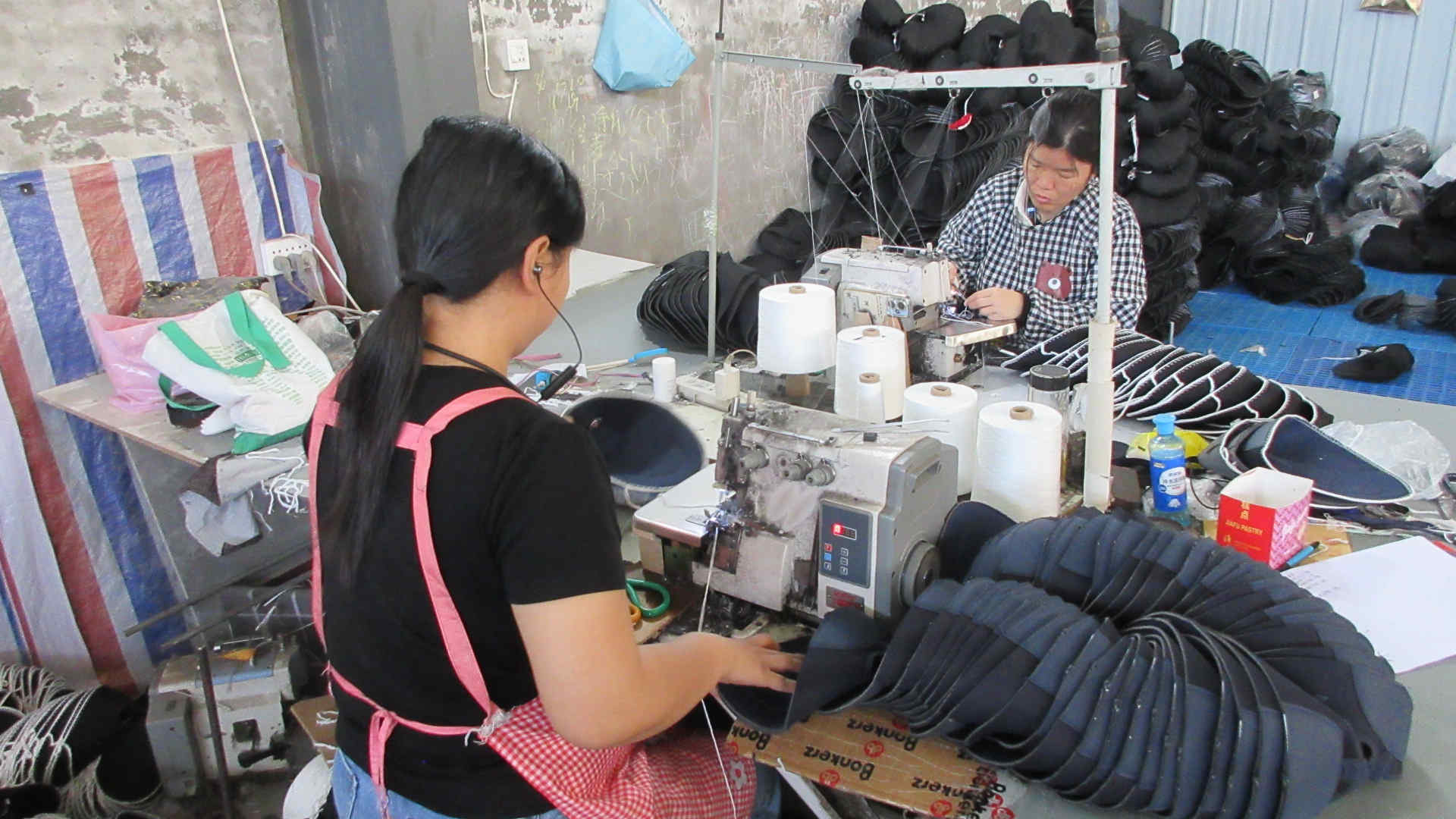
The snowboard boot industry is undergoing rapid technical evolution. Modern buyers must track long-term manufacturing roadmaps to stay competitive. Key transitions over the next 5 to 10 years include:
Exporters are developing TPU outsoles derived from plant lipids and recycled ocean plastics. Transitioning away from petroleum-based urethanes is expected to reduce carbon footprints by up to 40% per boot.
Integrating ultra-thin carbon fiber heating loops directly into the custom liner structure. These modules interface with app-controlled low-profile batteries, providing long-lasting active thermal adjustments for cold weather conditions.
Utilizing high-frequency ultrasonic welding rather than sewing threads. This creates waterproof seams, lowers product weight, and removes high-wear stress points typical in traditional stitching patterns.
To access major markets in North America and the European Union, snowboarding boots must comply with various strict structural and chemical standards. Elite manufacturing exporters ensure that all batches undergo systematic chemical profiling and physical stress validation.
| Certification & Standard | Target Parameter | Implications for Importers |
|---|---|---|
| ISO 9001:2015 | Quality Management Systems | Guarantees batch-to-batch consistency and traceablity of raw materials. |
| BSCI / SMETA | Social Compliance & Labor Ethics | Ensures ethical manufacturing processes, a critical requirement for EU/US retailers. |
| REACH Compliance | SVHC Chemical Controls (EU) | Restricts lead, phthalates, and DMFu, preventing customs detentions at European borders. |
| SATRA TM Tests | Footwear Wear & Flex Life | Confirms structural lifespan under cold, wet, and high-fatigue operations. |
Clear, direct answers regarding production logistics, technical specifications, and factory cooperation.
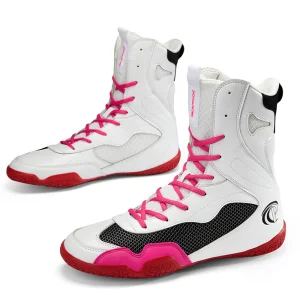
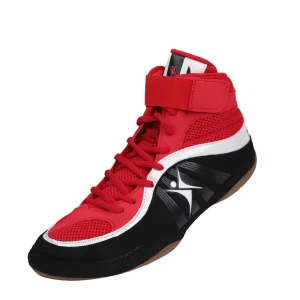
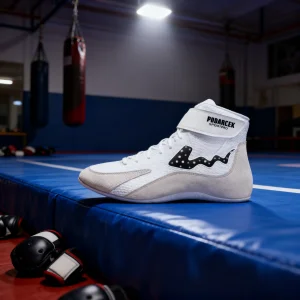
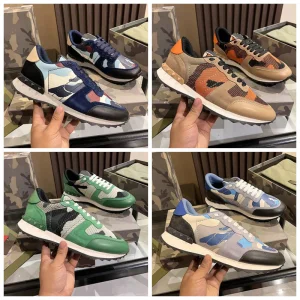
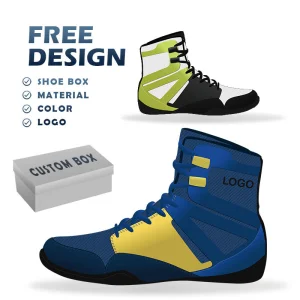
View our broader specialty footwear lines, engineered using the same high-durability and custom tooling techniques.