Orions Fashion
Orions Fashion
Orions Fashion
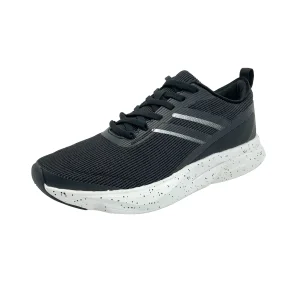
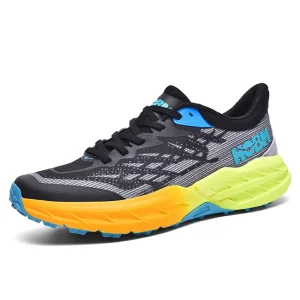
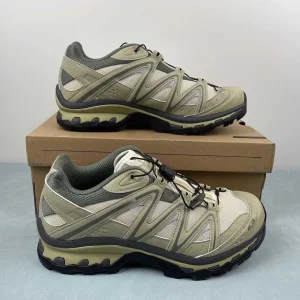
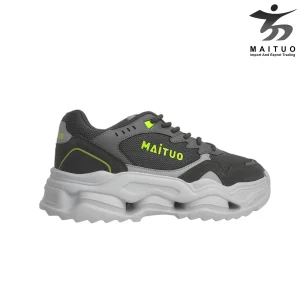
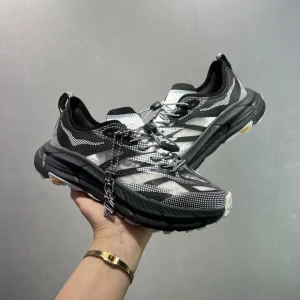
Engineered specifically to endure rugged Brazilian terrains like Serra do Mar and Chapada Diamantina, featuring high mud clearance, hydro-drainage structures, and high-elastic compound midsoles.
Unpacking the unique geographical, technical, and consumer requirements governing South America's largest athletic footwear market.
The trail running landscape in Brazil is expanding at a rapid compound annual growth rate, driven by structural urban-to-trail migration and a proliferation of wilderness races across the national territory. Events such as the Ultra-Trail do Rio de Janeiro, La Misión Brasil, and various high-altitude marathons in the Serra da Mantiqueira and Serra do Mar mountain systems have transformed trail running from a niche sub-sport into a mainstream athletic category.
Unlike standard European or North American trail zones, the Brazilian terrain presents extreme environmental variables. The high humidity levels of the Atlantic Forest and Amazonian biomes, combined with heavy tropical downpours and clay-heavy, muddy paths, mandate distinct product modifications. Running shoes imported into Brazil must exhibit superior mud shedding, hyper-breathable fabrics that resist water-logging, and structural durability that stands up to humid oxidation.
For B2B buyers, distributors, and private label footwear brands in Brazil, sourcing is not merely a matter of selecting aesthetic designs. It is about locking in a manufacturing partner that implements advanced material science to prevent rapid deterioration under tropical UV and moisture exposure while offering flexible customization structures to maximize retail profitability.
How we construct trail running shoes that achieve maximum longevity, energy return, and biomechanical safety.
We synthesize outsoles using hybrid vulcanized rubber mixed with synthetic elastomers to achieve a Shore A hardness rating of 60-65. This prevents premature wear on sharp rocky trails while maintaining a static coefficient of friction above 0.65 on wet clay and damp mossy roots typical of Brazil's high-humidity zones.
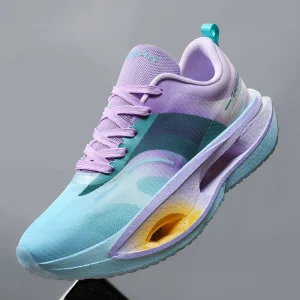
Our midsoles feature supercritical fluid-foamed EVA and TPU blends. By injecting nitrogen into the molten polymer compound under extreme pressure, we produce microscopic, uniform gas cells that lower midsole density while raising the rebound rate by up to 68%, mitigating knee and joint stress during long technical descents.
To tackle tropical rains, our uppers employ mono-filament engineered mesh with localized hot-melt TPU overlays. This hydrophobic structure sheds moisture instead of retaining it, preventing water weight accumulation, and is complemented by microscopic drainage ports built directly into the upper side walls.
Mitigating high import duties, currency fluctuations, and freight logistics bottlenecks to protect your bottom line.
Exporting athletic footwear to Brazil requires a granular understanding of the TEC (Tarifa Externa Comum) and local tax mechanisms like IPI, ICMS, PIS, and COFINS. Our regulatory documentation team provides fully detailed packing lists, commercial invoices, and certificate of origin documentation aligned with the specific NCM (Nomenclatura Comum do Mercosul) classification codes for sports footwear (typically under chapter 64) to bypass clearance friction at major entry ports like Santos, Paranaguá, or Rio de Janeiro.
We facilitate streamlined shipping through major freight corridors and support both LCL and FCL terms, allowing Brazilian brands to stabilize their inventories without carrying excessive cash-flow liabilities.
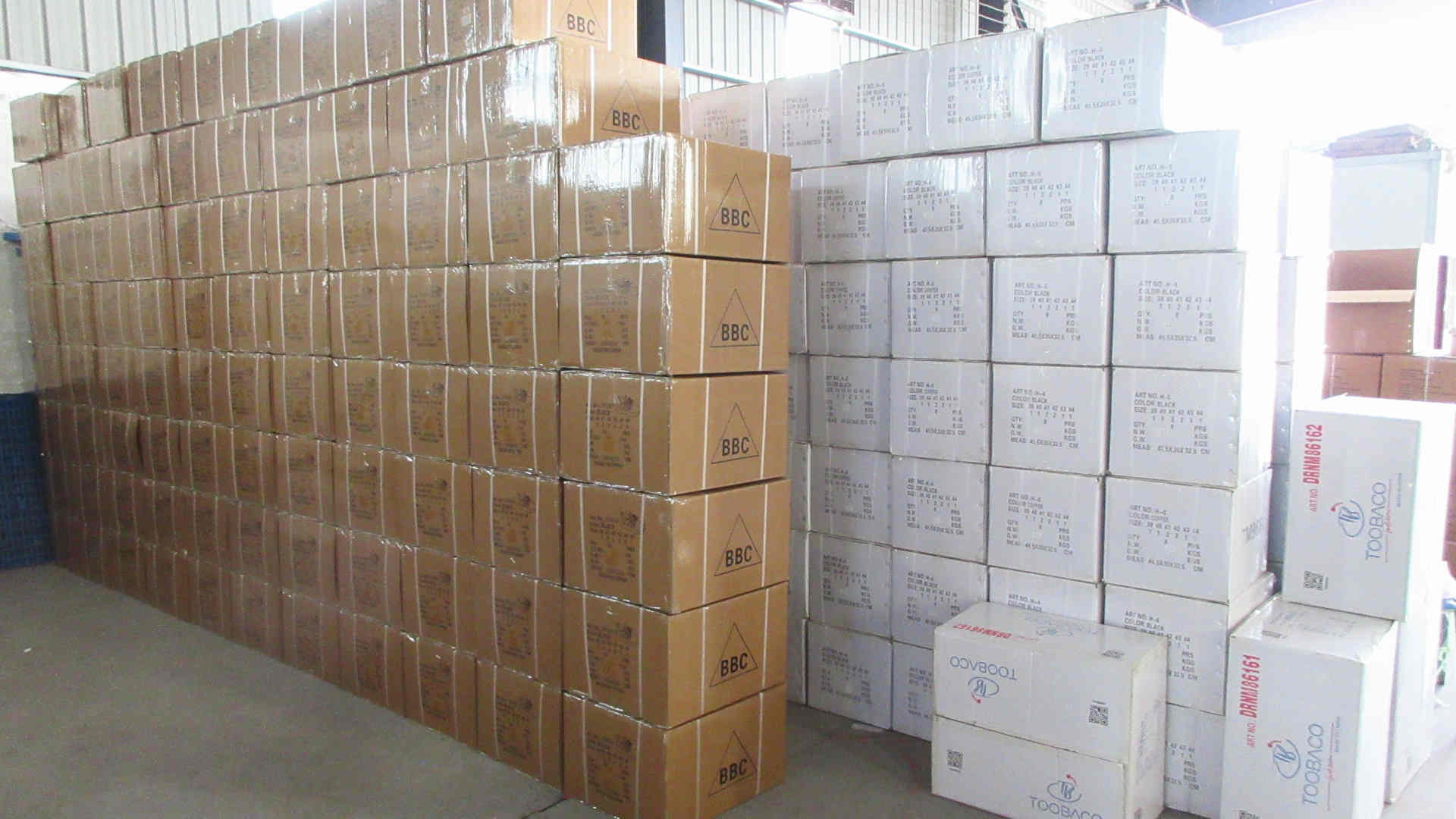
Global logistics instability demands an agile response. As a premier Quanzhou-based footwear exporter, we integrate domestic warehousing buffers, streamlined raw material reserves, and container scheduling protocols to ensure delivery timelines are met, avoiding retail stockouts during critical Brazilian shopping periods such as Black Friday, Christmas, and the early dry season racing peaks.
Our OEM/ODM solutions offer modular scaling. We help private labels optimize their order matrix through staggered production schedules, allowing them to test market response for trail designs before committing to high-volume manufacturing runs.
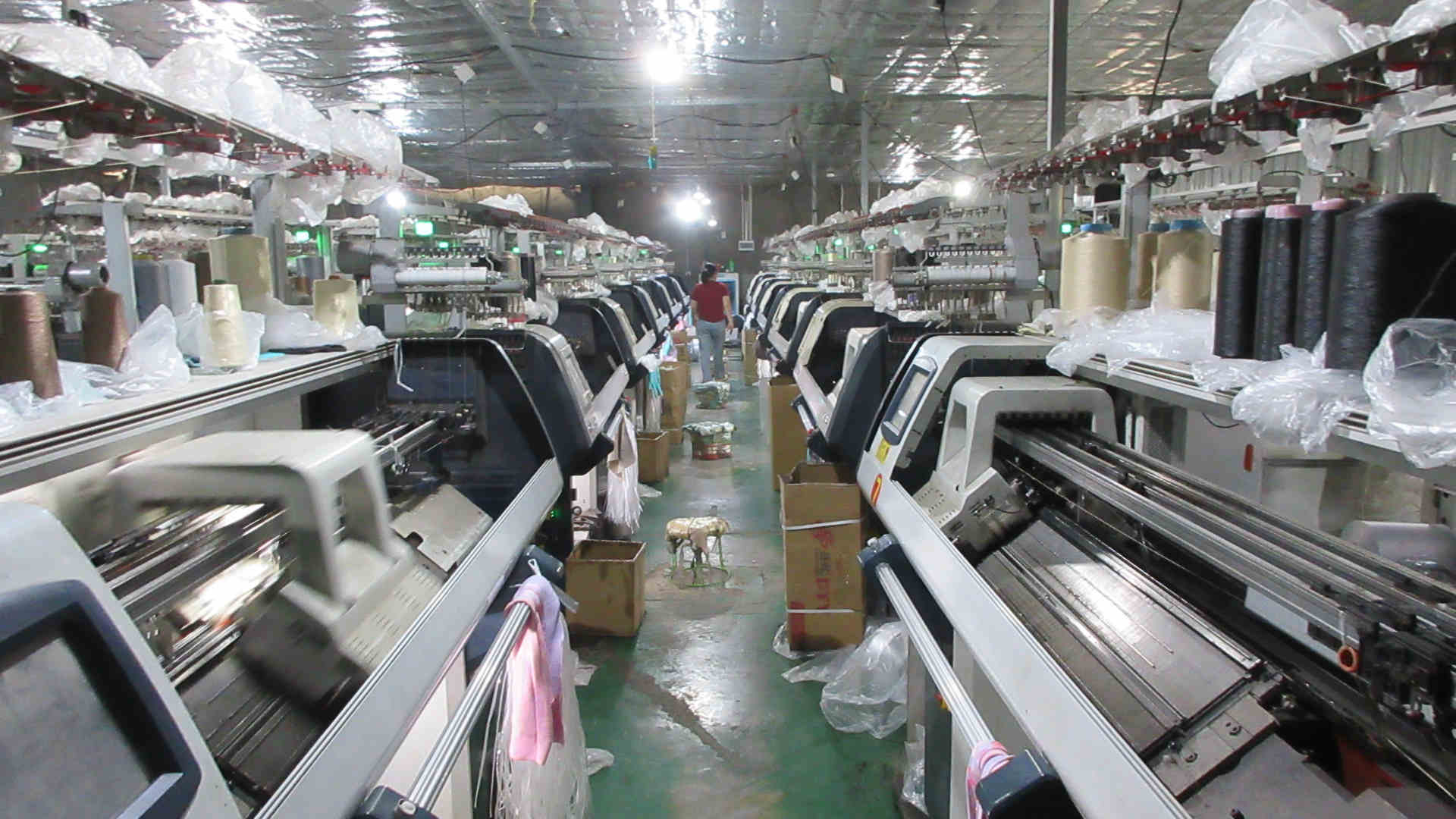
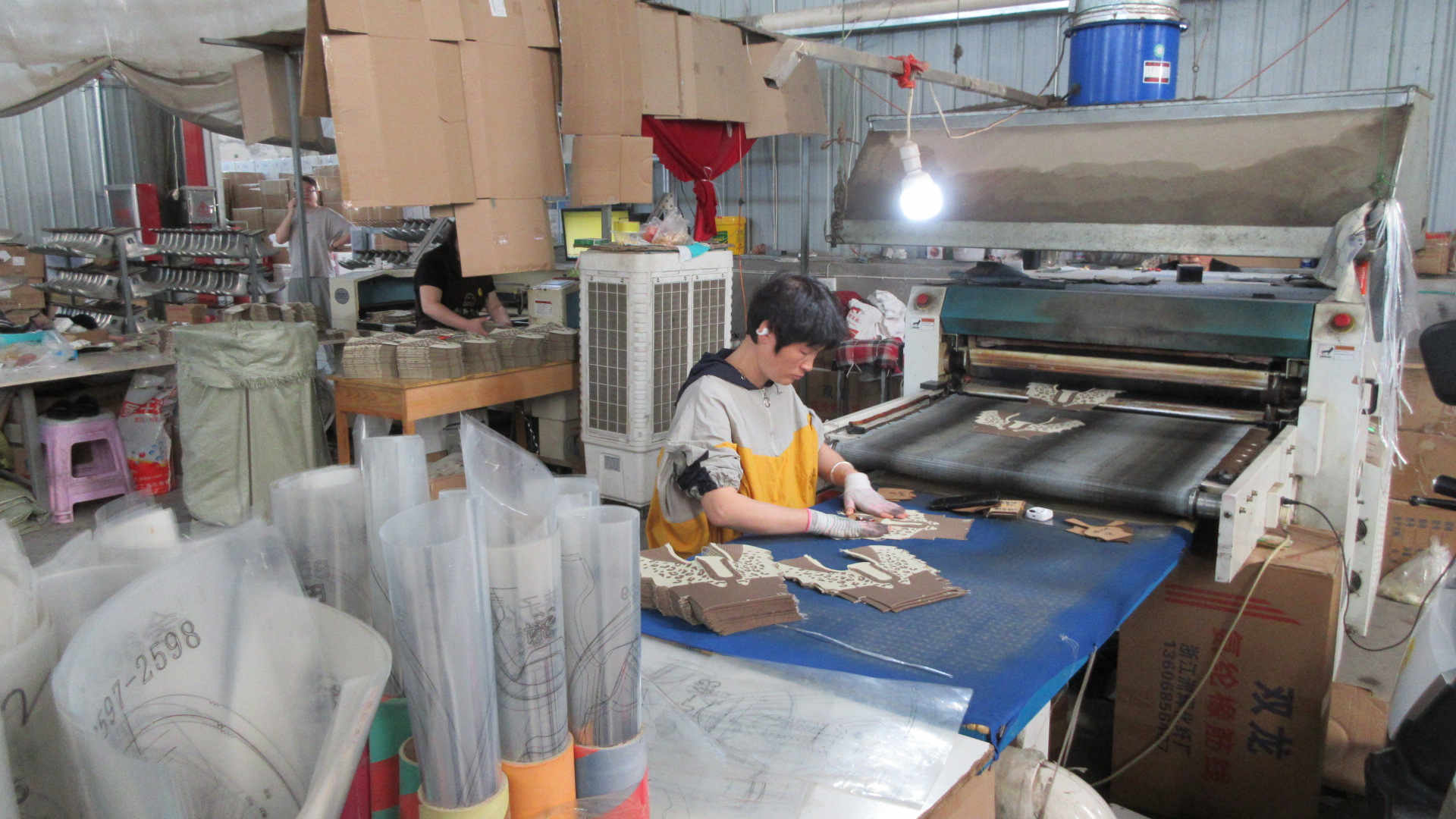
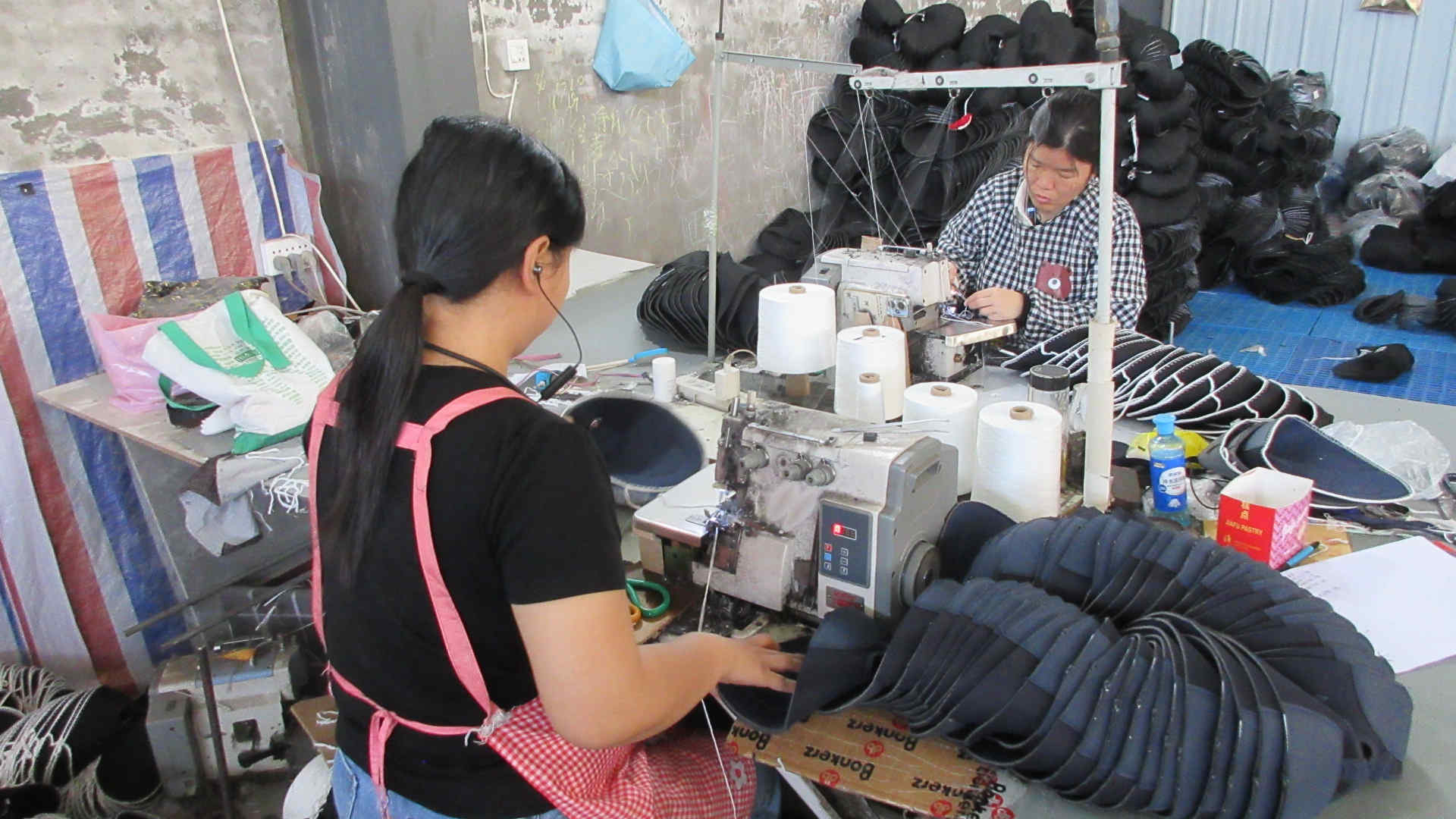
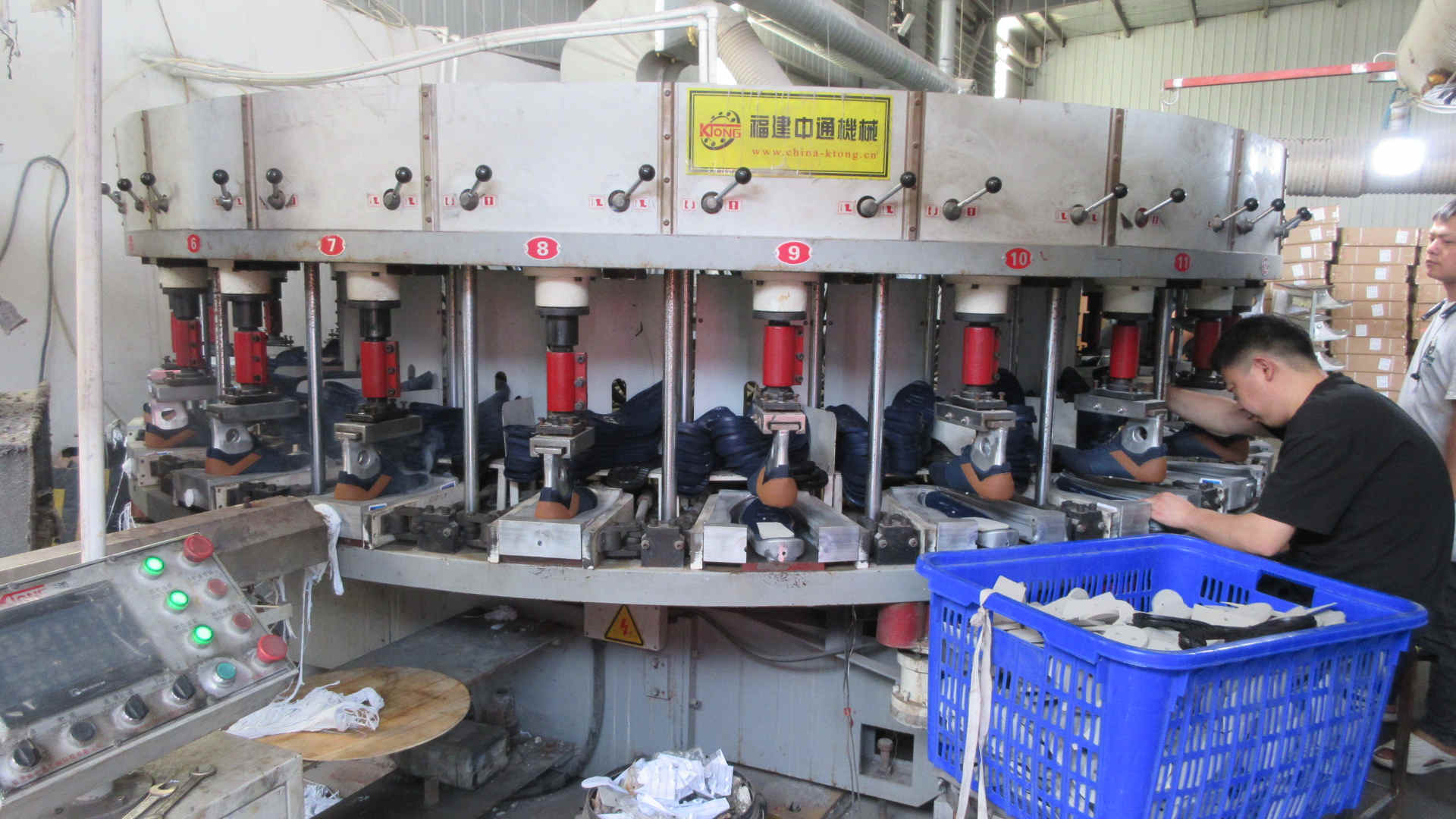
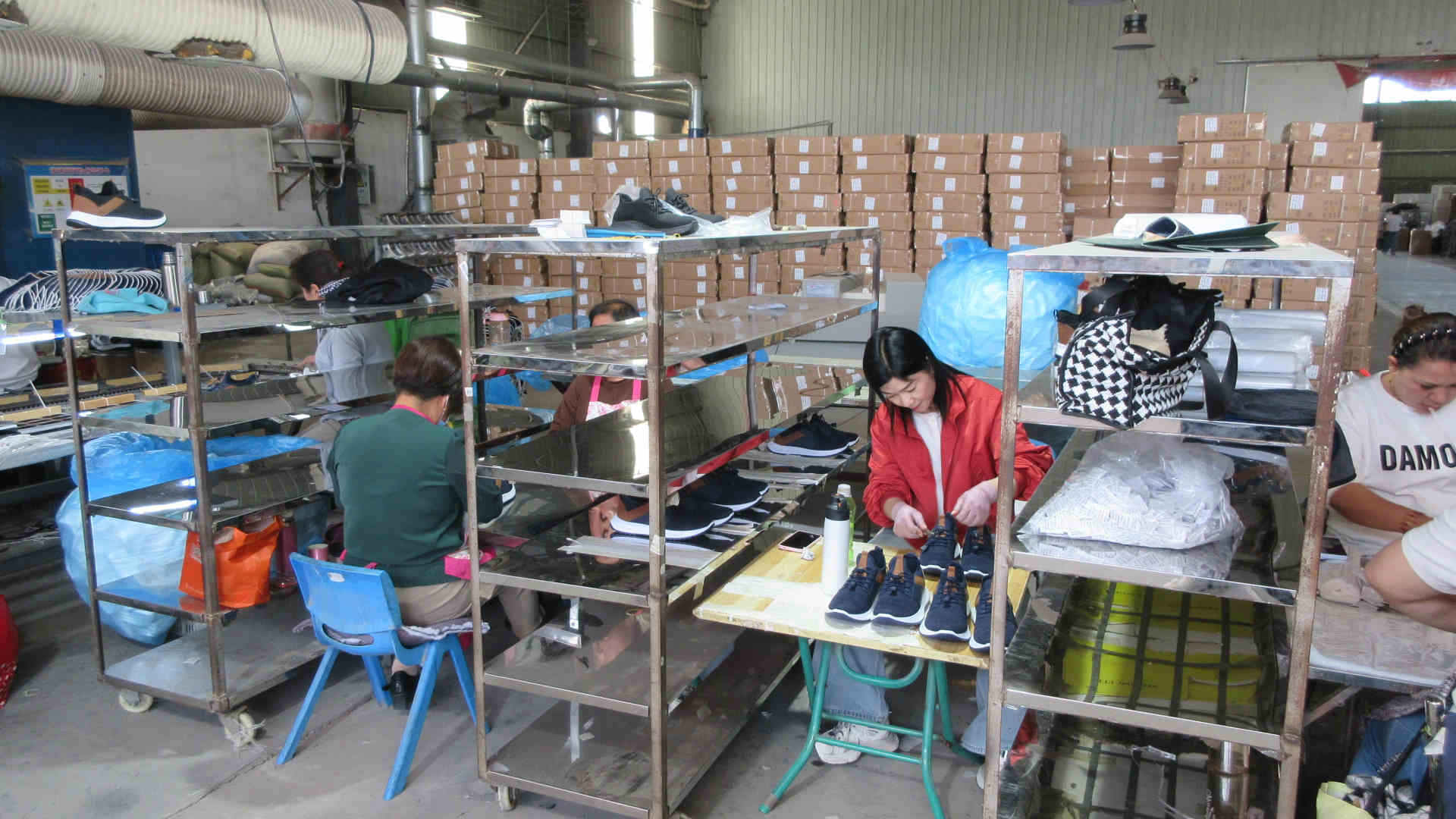
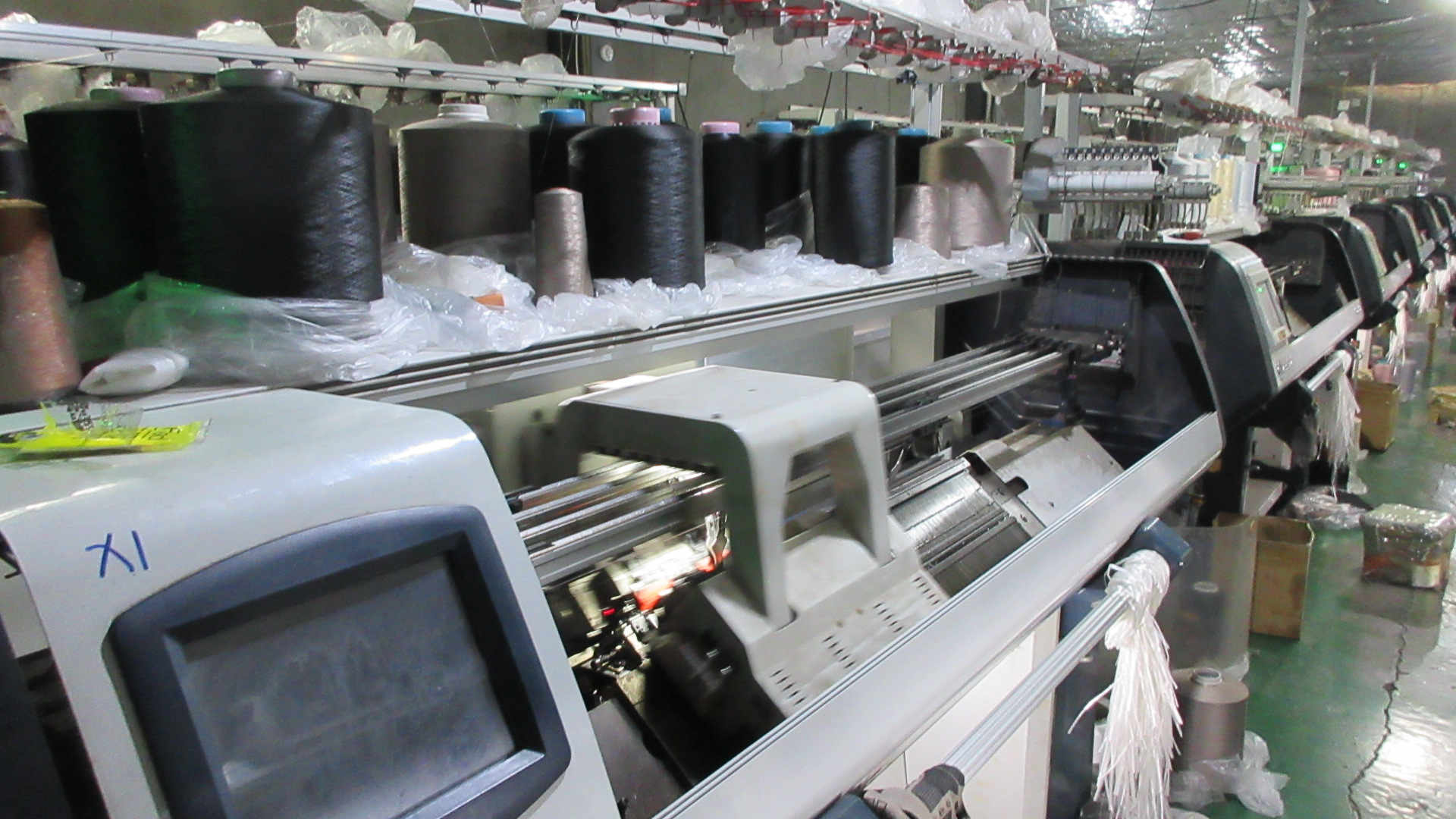
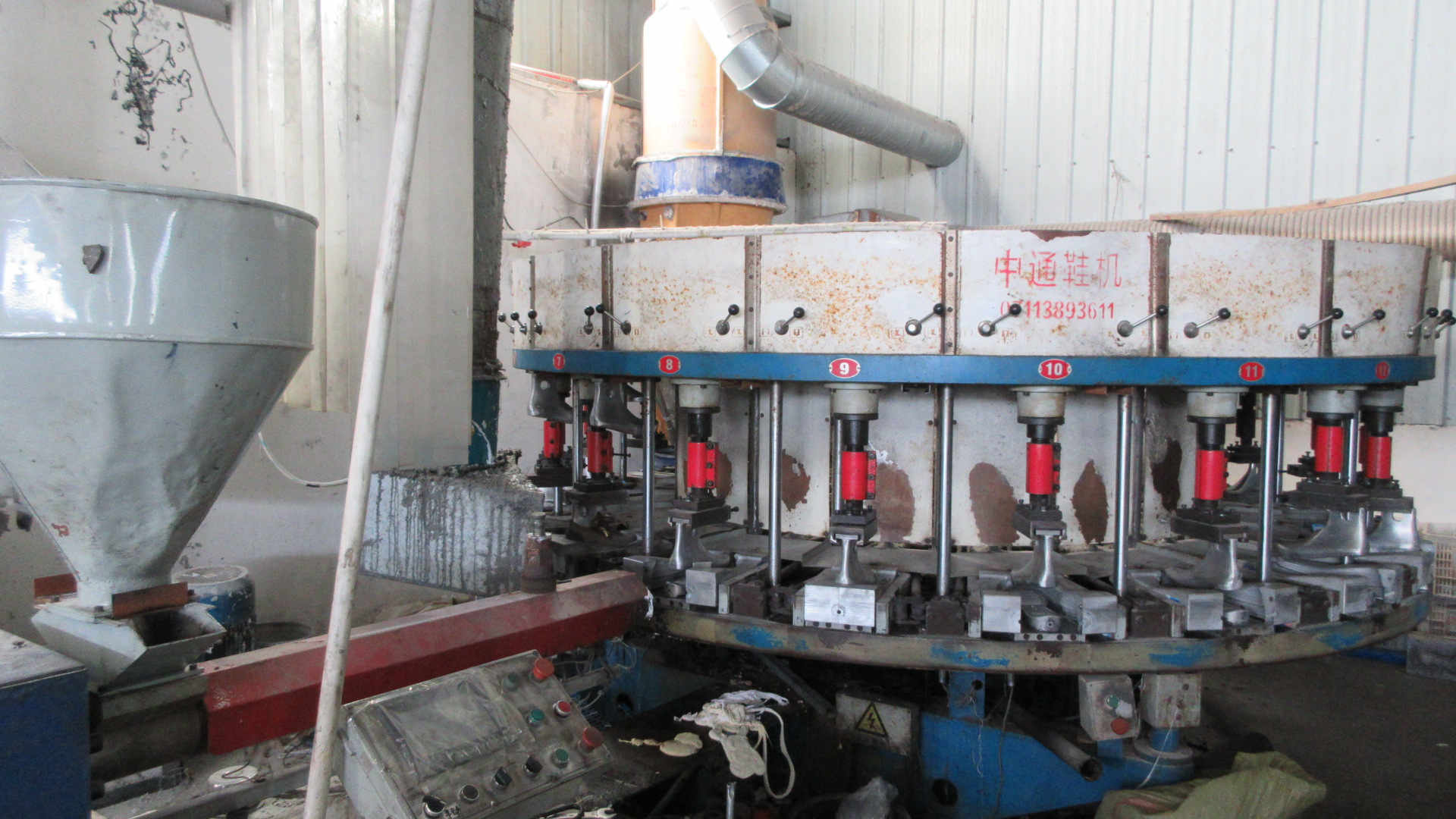
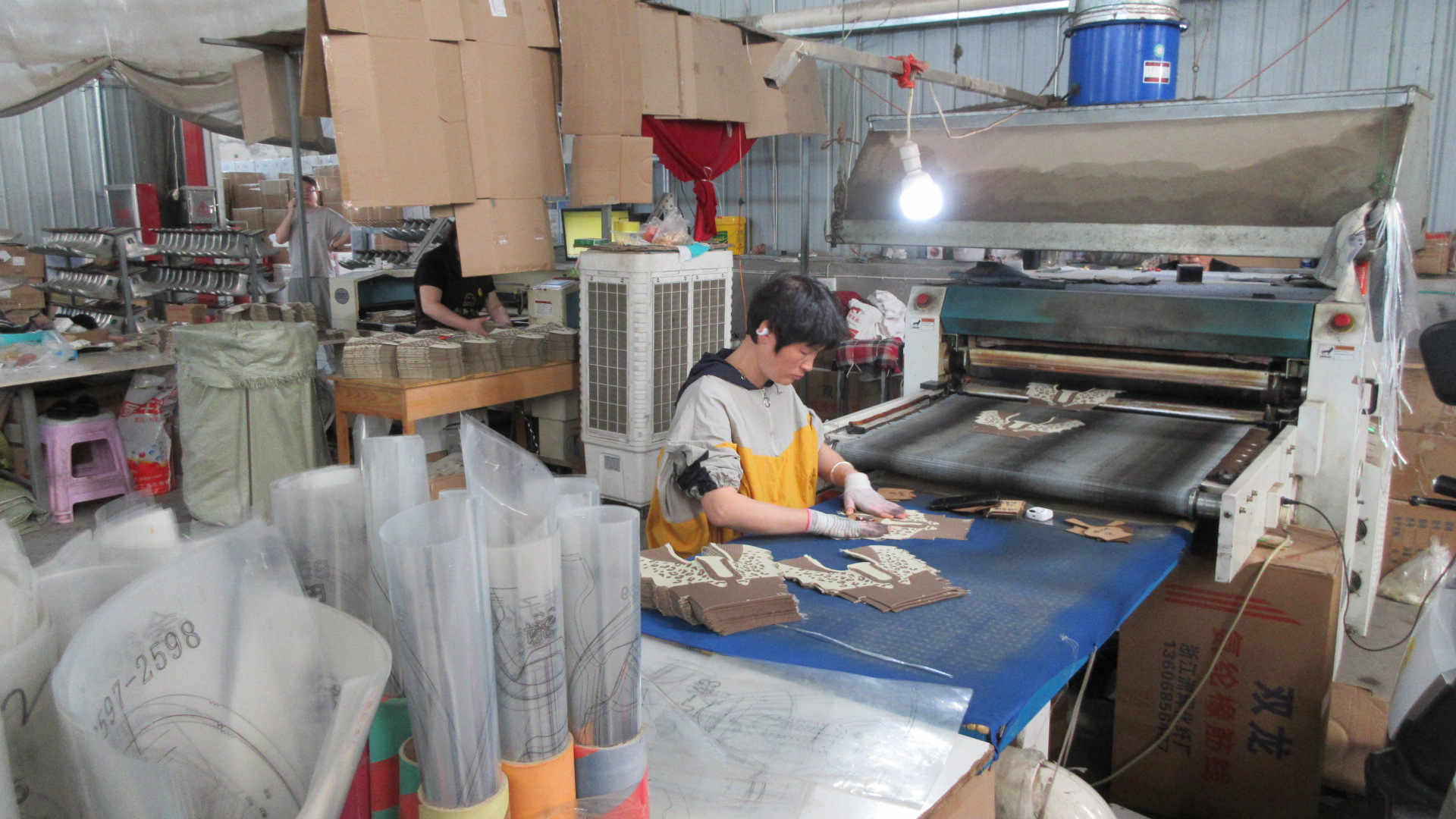
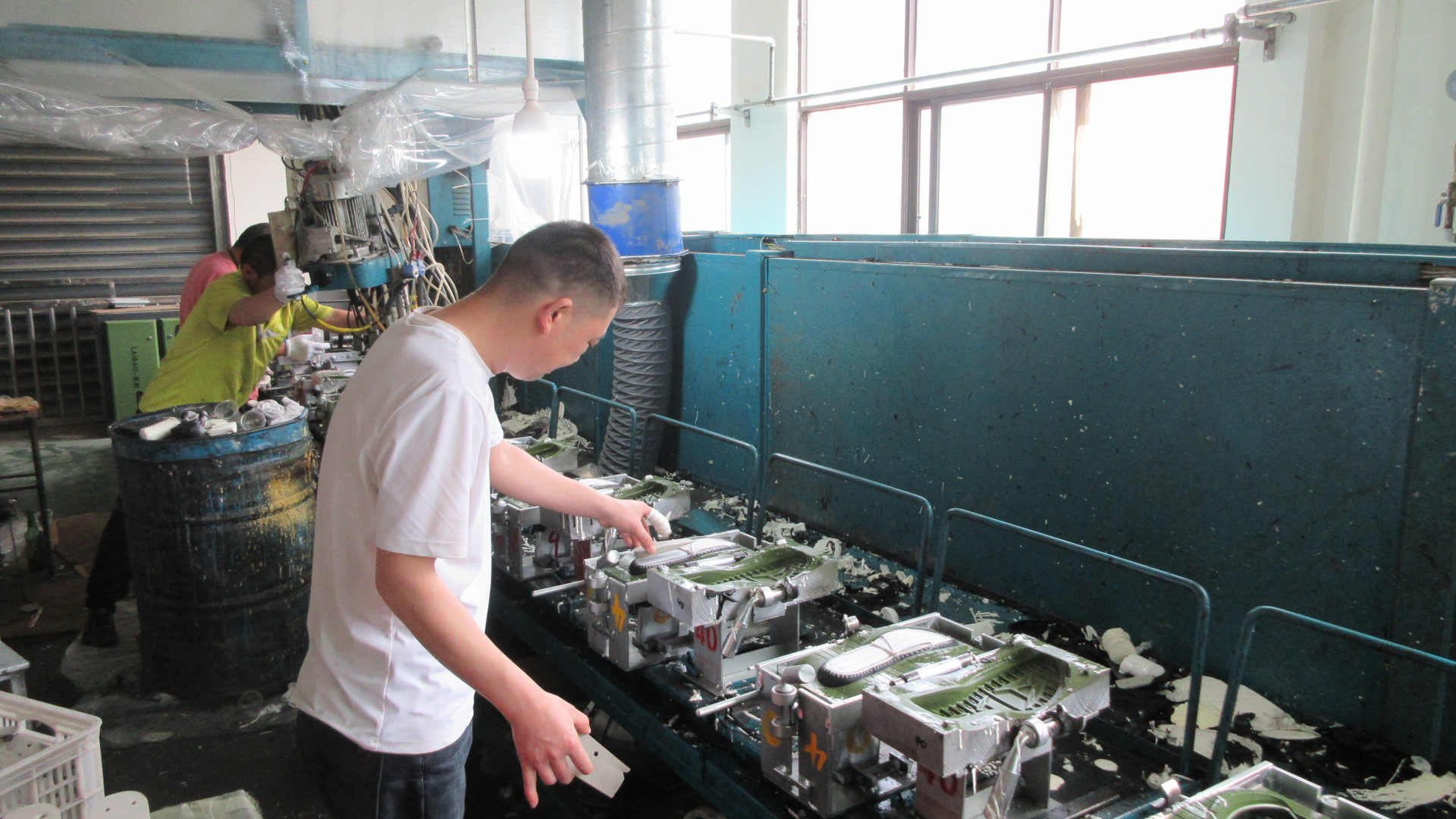
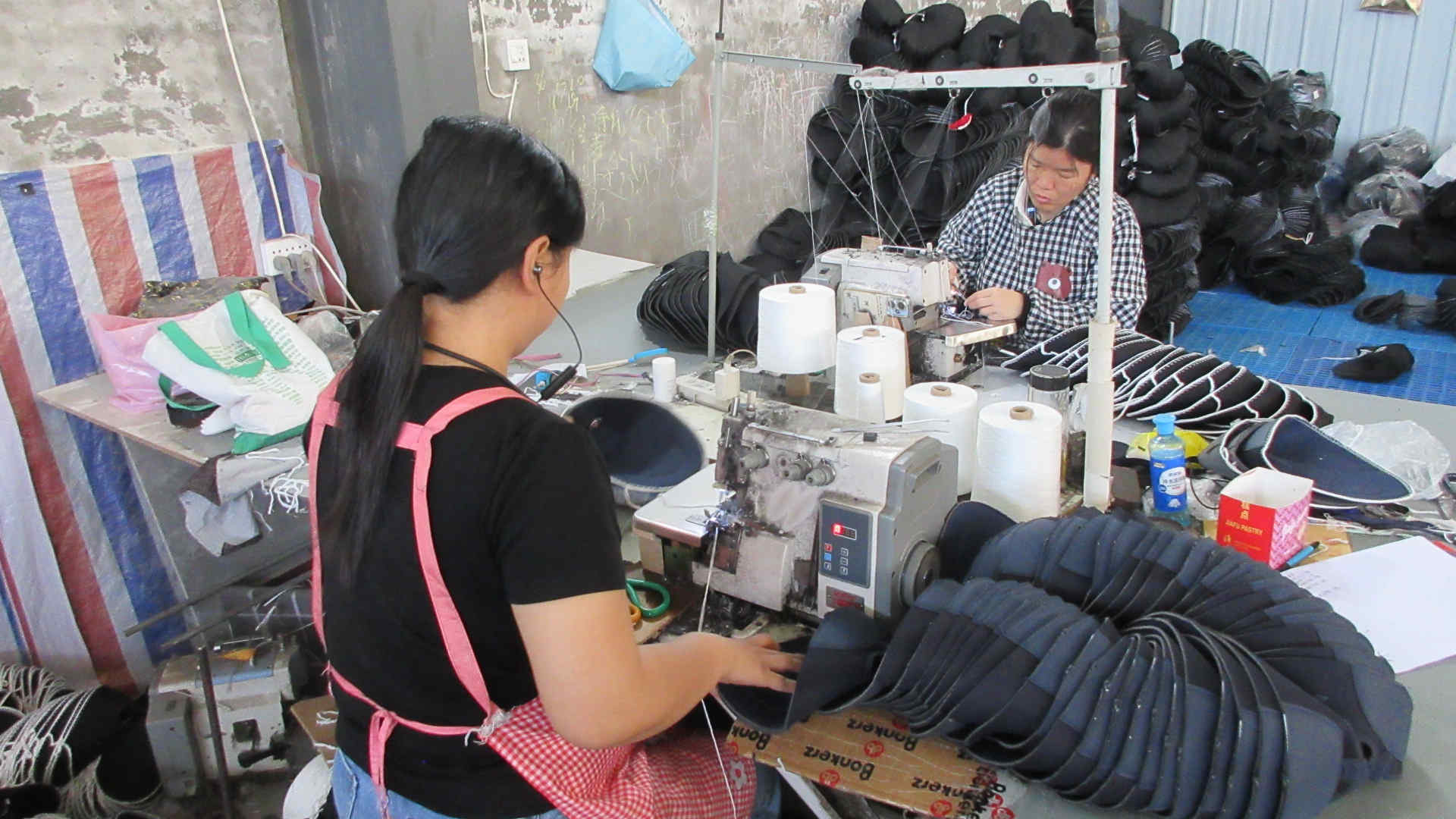
Explore Quanzhou Orions Fashion Co., Ltd.’s state-of-the-art production assets. We merge advanced automation with rigid QA protocols to construct high-spec footwear.
Located in Quanzhou, Fujian Province—China’s premier footwear and garment manufacturing cluster—Quanzhou Orions Fashion Co., Ltd. is a modern, high-tech enterprise integrating product design, research and development, scale manufacturing, rigorous quality control, and international trade operations. With years of experience serving international markets across North America, Europe, and South America, we have engineered a resilient production platform capable of outputting sports, outdoor, and specialized trail running shoes that strictly align with global performance criteria.
Our production ecosystem features advanced machinery, optimized automated assembly lines, and a dedicated team of materials researchers and footwear designers. We adhere to comprehensive quality checks—from structural raw material testing to final flex and torsion checks—guaranteeing that every batch shipped to Brazil satisfies professional wear-testing parameters.
Aligning manufacturing parameters with Brazilian standards to guarantee smooth import clearance and strong consumer trust.
Our products are manufactured to exceed safety and quality parameters defined by Brazil’s National Institute of Metrology, Quality and Technology (INMETRO). From toxicological material checks to mechanical structural testing, we ensure hassle-free market entry.
We develop customized lasts that convert EU and CN configurations to precise Brazilian standard measurements (typically two sizes smaller than EU sizing, e.g., EU 42 corresponds to BR 40). This prevents sizing confusion and lowers return rates for e-commerce retailers.
To align with Brazil’s progressive environmental policies, we provide optional biodegradable outsoles and recycled PET fabric configurations, allowing your brand to capture the expanding eco-conscious outdoor demographic.
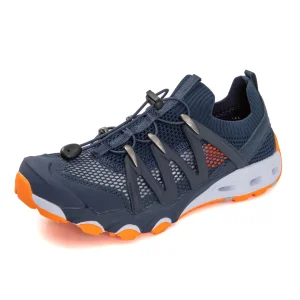
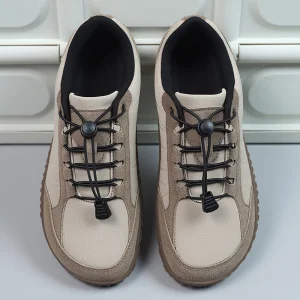
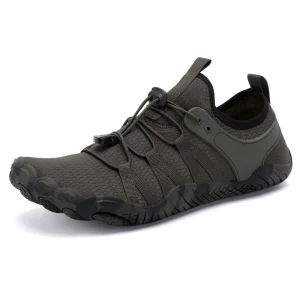
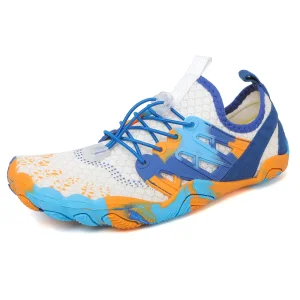
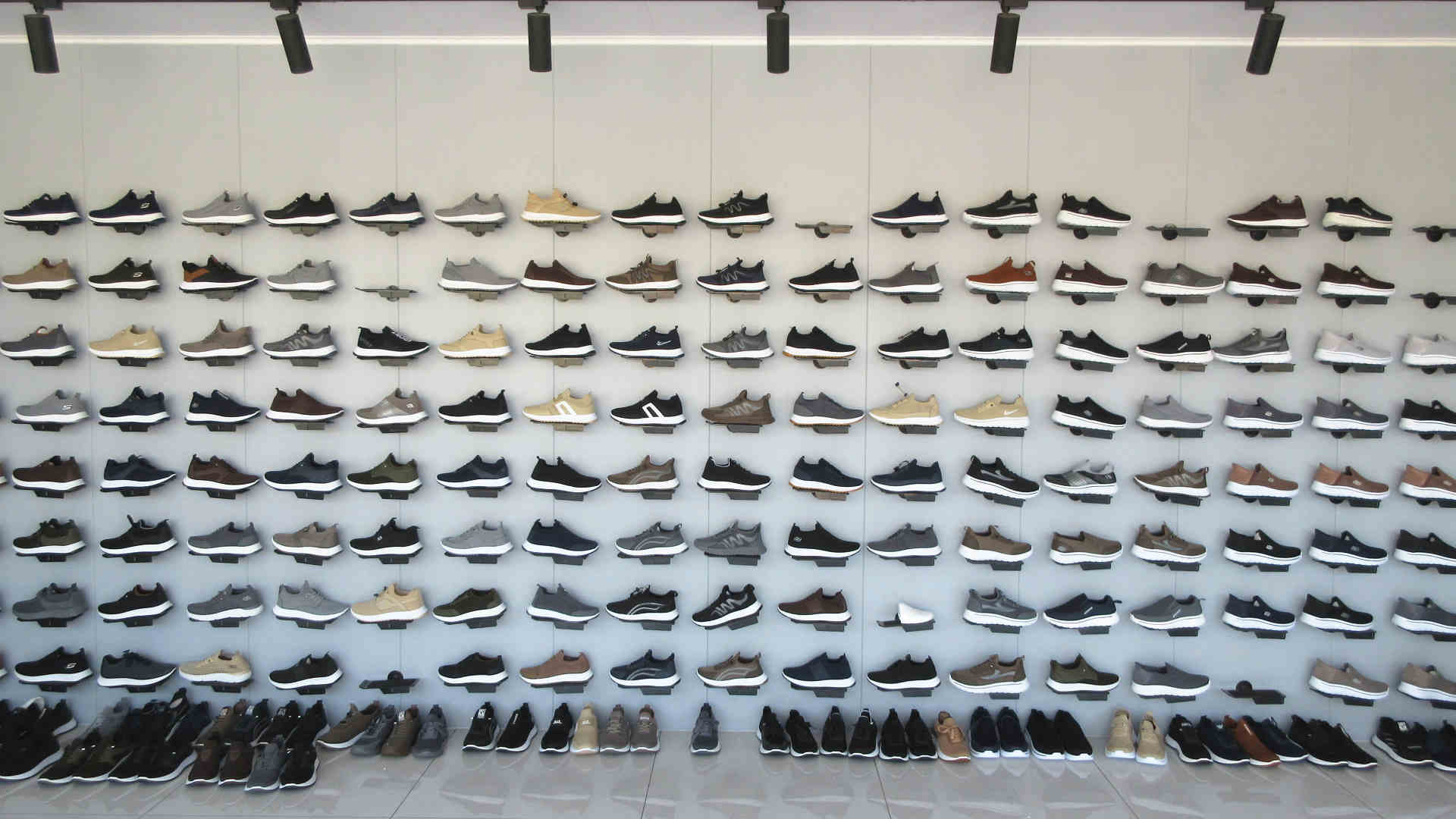
Examine our complete selection of trail running, hiking, barefoot, and wading shoes engineered for extreme athletic demands.
Evaluating total cost of ownership (TCO), quality markers, and operational flexibility when sourcing from Quanzhou Orions.
When purchasing footwear for Brazil's competitive landscape, unit cost is only one element of the profitability equation. Importers must account for freight rates, duty-optimized manufacturing structures, quality control costs, and the risk of defective product returns. At Quanzhou Orions Fashion, we lower the total cost of ownership by optimizing NCM classifications, using high-precision automated injection molding to eliminate structural defects, and packaging efficiently to maximize shipping density.
Our collaborative design services (ODM/OEM) allow local brands to integrate proprietary branding seamlessly, providing a premium-tier market positioning that can yield higher margins in the retail sector.
| Metrics Evaluated | Standard OEM Supplier | Quanzhou Orions Solution |
|---|---|---|
| Defect Rate | > 2.5% | < 0.3% |
| Sample Turnaround | 15-20 Days | 7-10 Days |
| BR Compliance Support | None / Basic | Fully Documented |
| Midsole Lifespan | ~300 km load | > 800 km load |
Addressing essential queries regarding logistics, specifications, customizations, and partnerships for the Brazilian market.
For standard OEM production utilizing our existing high-performance outsoles, our Minimum Order Quantity starts at 1,000 pairs per colorway. For fully customized outsole designs requiring dedicated mold tooling, MOQ ranges from 3,000 to 5,000 pairs depending on the design complexity.
We utilize hydrophobic treatment processes on upper fabrics and incorporate specialized anti-hydrolysis agents in our PU/EVA compounds. This prevents premature chemical degradation (crumbling) of the midsoles under high humidity conditions, guaranteeing a long shelf life in damp warehousing zones across Brazil.
Yes. Our documentation division collaborates with your import customs brokers in Brazil to ensure accurate classification under Mercosur Harmonized System codes (NCM). Proper paperwork prevents unnecessary customs penalties and helps streamline the process through the Siscomex system.
We maintain shoe lasts optimized for Brazilian sizing parameters, adjusting lengths and widths to fit localized proportions. We verify all sizing ratios during the prototyping phase to ensure consistency.
Production takes 30-45 days following design approval and deposit receipt. Ocean transit from Quanzhou (or Xiamen Port) to the Port of Santos or Paranaguá typically requires 35 to 45 days, depending on carrier routing and transshipment hubs.